
MONROVIA, Liberia — The University of Liberia (UL) is getting a new face and an opportunity to move beyond decades of infrastructural decay.
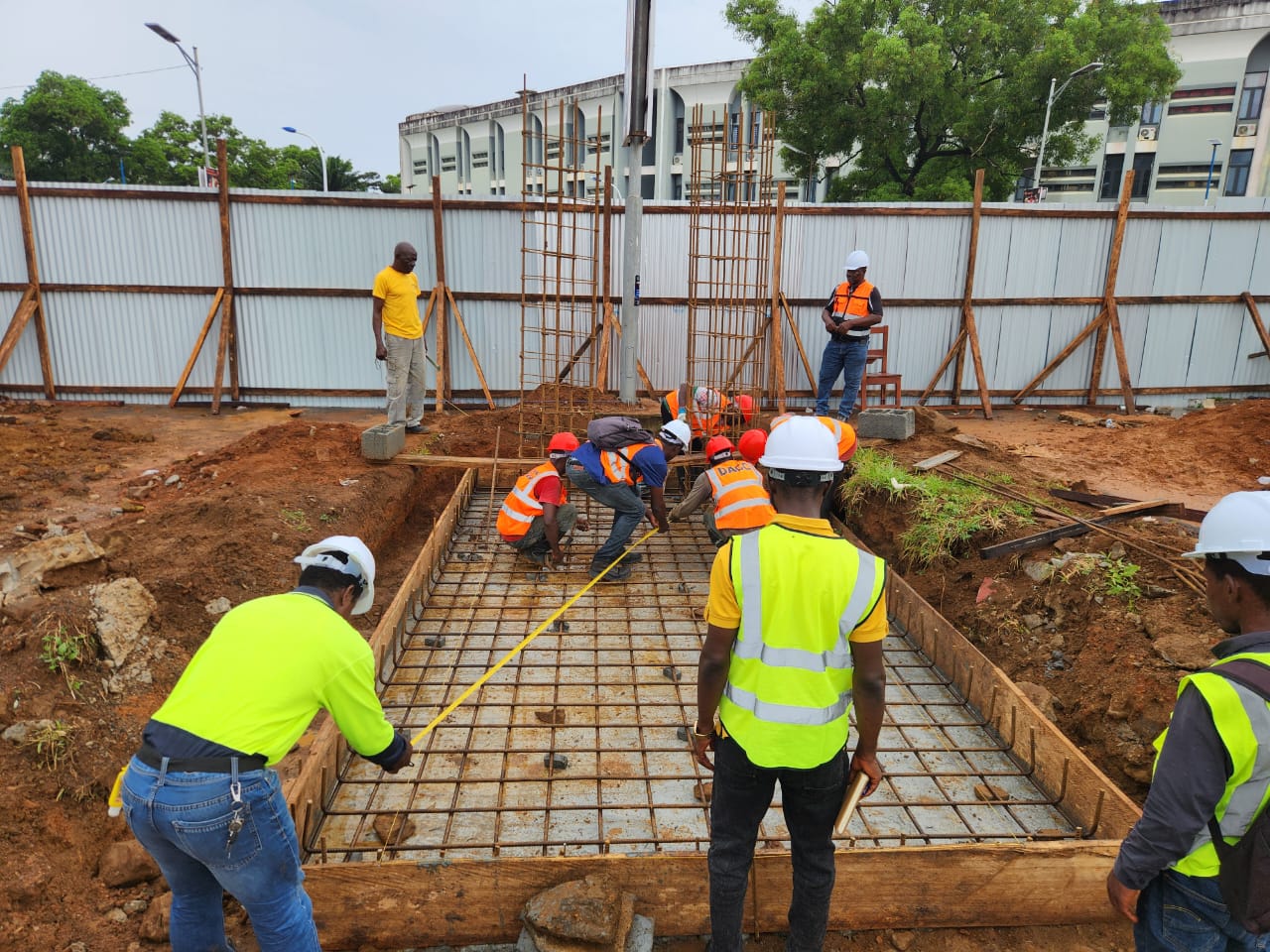
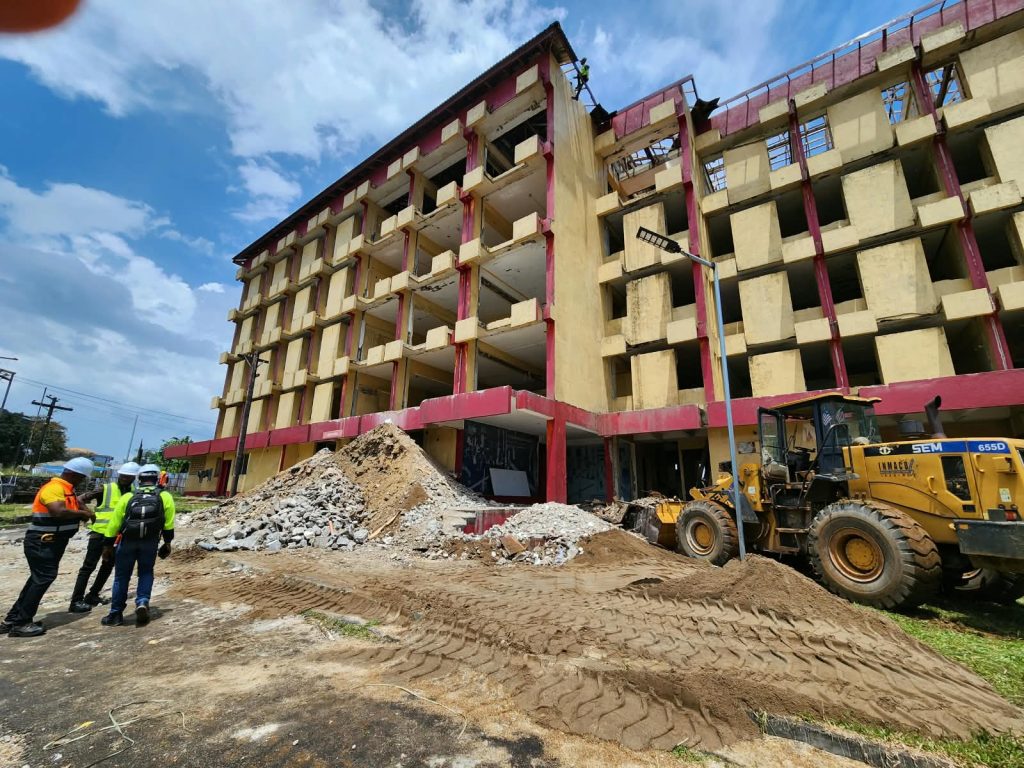
Across the Capitol Hill and Medical School campuses, workers are renovating classrooms and other university buildings as part of an initiative to replace aging facilities and modernize the learning environment.
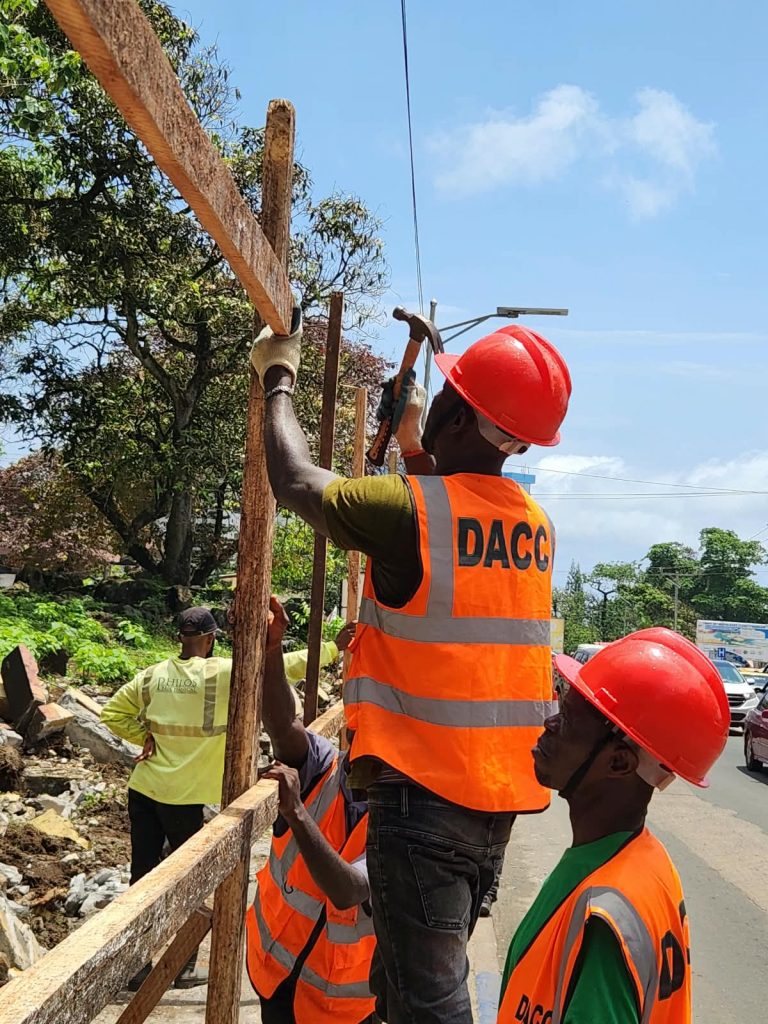
The university’s entire perimeter fence, which separates the Capitol Hill campus from the surrounding area, is being replaced.
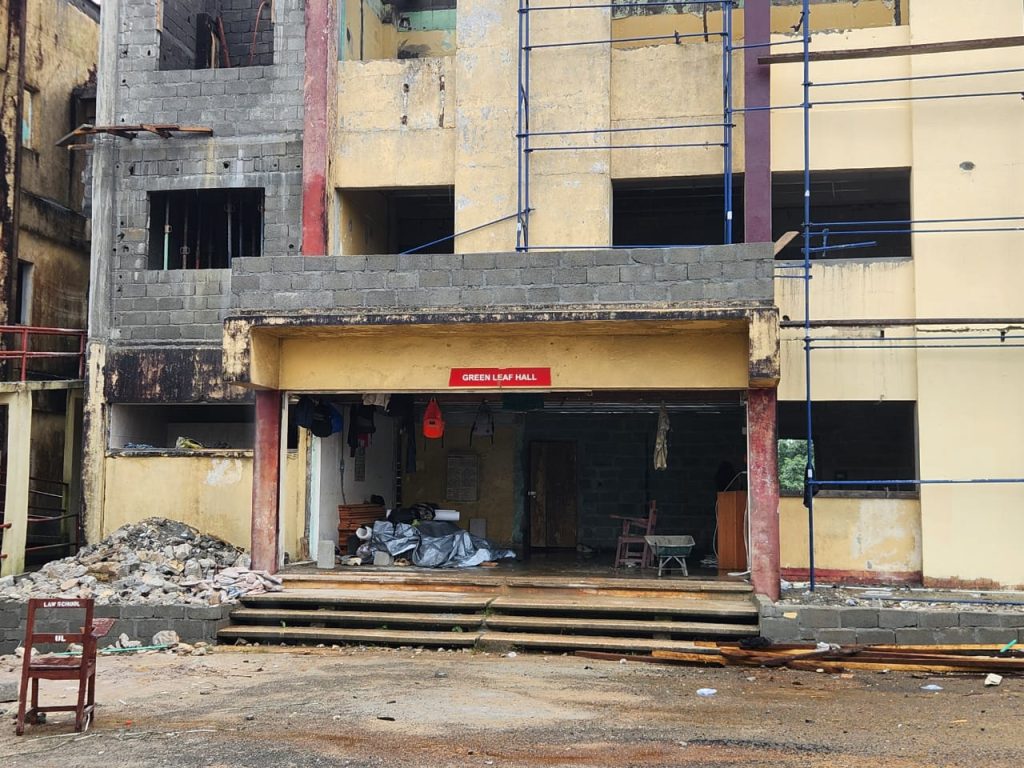
Iconic structures, including the Girls’ and Boys’ dormitories, which have been used as lecture rooms and classrooms because of the growing student population, are also being redesigned to create a more modern learning environment at Liberia’s oldest and largest degree-granting institution.
Launched last month under the leadership of UL President Dr. Layli Maparyan, the project is intended to go beyond temporary repairs.
It is not a quick-fix or quick-impact initiative but a comprehensive effort to transform existing structures into modern university facilities comparable to those found at institutions of higher learning around the world.
Dr. Maparyan said the goal is to deliver substantially improved facilities that reflect the university’s academic importance and accommodate the needs of its growing student population.
She expressed gratitude to President Joseph Nyumah Boakai for ensuring that funding was made available through the Ministry of Finance and Development Planning (MFDP) to implement the project.
“This ongoing exercise is dear to the President and it’ll be his legacy initiative for his administration,” she said. “He has agreed and is supporting the efforts to make UL a new, modern and a globally fit university in terms of its infrastructure.”
She emphasized to the contractors the importance of what she calls “Renovation, Modernization and Beautification,” highlighting the personal significance she attaches to improving the university’s infrastructure.
For years, deteriorating infrastructure, overcrowded classrooms, and buildings originally designed for purposes other than teaching have challenged the university’s ability to provide a comfortable learning environment. The current initiative seeks to address some of these problems while giving the institution a renewed architectural identity.
“We are not doing renovation alone,” said Mencer Tamba Powoe, chairman of the Department of Civil Engineering and project manager for the renovation, modernization, and beautification initiative.
“By the time we are done, people will see some of the buildings coming up as though they are newly built,” he emphasized.
Powoe was recruited by the UL administration from within the university based on his competence, qualifications, and adherence to acceptable international standards.
Giving UL a new look comes as the university continues to confront broader institutional challenges, making the condition of its physical infrastructure an important test of the administration’s commitment to renewal.
Beyond Temporary Repairs
Powoe said his management of the project began on October 1, 2026, with a dedicated management team assigned to supervise construction activities across four university campuses.
The team includes Deputy Project Manager James Clement, four supervisors, and 10 senior students from the College of Engineering who specialize in civil and electrical engineering.
Powoe said Dr. Maparyan had delegated technical oversight to the project team he leads. The team is responsible for providing weekly updates on construction progress and activities.
He emphasized that the initiative is designed to deliver lasting improvements rather than simply patching damaged sections of buildings.
That distinction is central to Maparyan’s vision. According to the project’s architect, Garmonyou Zogar, the university president insisted that the project involve comprehensive renovation rather than superficial improvements that could lead to additional problems later.
“The President of the University, Dr. Layli Maparyan, made it very clear to us when we first met to discuss the contract that she does not want facelift renovation but a full renovation,” said Zogar, chief executive officer and founder of FORMA NOVA Inc., a consortium of young Liberian professionals involved in the project.
The work includes replacing doors, installing new electrical systems, upgrading ceilings, and improving restroom facilities. Selected spaces are also being redesigned to improve lighting, functionality, and comfort.
At the A. Romeo College of Business and Public Administration, Zogar said, the windows have been enlarged to approximately twice their original size to allow more natural light into classrooms.
The improvements are intended to support modern teaching methods, including PowerPoint presentations, while creating classrooms that are more comfortable and inviting for students and instructors.
The experienced Liberian architect added that many buildings currently used for teaching were not originally designed as classrooms. The Graduate School building, for example, was formerly a girls’ dormitory, leaving some rooms smaller than ideal for contemporary academic activities.
“The university has also expanded far beyond the student population its facilities were initially designed to accommodate several decades ago,” he stated.
The renovation effort is therefore intended to address not only aging structures but also the mismatch between the university’s facilities and its present-day needs.
A New Architectural Identity
For Zogar, the project represents an opportunity to give the university a modern appearance without abandoning its historical identity.
“Architecture is the history of a nation in a beautiful form,” he said, explaining that buildings reflect the ambitions, values, and priorities of the people who design and use them.
He said the university’s new look should symbolize a transition from its historical foundations in the 1950s toward a more modern future.
The main entrance is expected to become one of the most visible features of that transformation. Zogar said the redesigned structure will rise to approximately five times the height of an average person, creating a more imposing entrance.
The road at the entrance is also expected to be widened to approximately twice its previous size to accommodate larger vehicles.
The university’s perimeter fence is being reconstructed, with improved lighting planned to enhance visibility around the campus.
The Graduate School building is expected to undergo particularly extensive improvements. Zogar said the goal is to give it the appearance and functionality of a modern institutional building comparable to outstanding contemporary buildings in Sinkor.
The intention, he explained, is to create an environment that communicates quality and encourages students and faculty members to take pride in their institution.
The architect said the university should complement the renovated facilities with modern furniture to ensure that the interior environment matches the quality of the buildings.
According to Zogar, the project’s architectural vision also draws on the university’s motto, “Lux in Tenebris,” meaning “Light in Darkness.”
He added that the modernization drive offers an opportunity to give the motto a renewed physical expression through improved buildings and learning spaces.
Quality Construction and Value for Money
While the university’s new appearance is expected to attract attention, Powoe said quality control remains one of his team’s principal responsibilities.
The project management team is tasked with checking construction materials, monitoring contractors, and ensuring that the work meets the specifications established by the project consultant.
Powoe said the team has begun inspecting materials already delivered to contractors’ warehouses to determine whether they meet approved requirements.
The team also has the authority to inspect materials brought onto campus before approving them for use or storage.
“If the BOQ (bill of quantity) says they are to use Number 10 wires, we will ensure they use exactly the same quality and quantity as specified,” Powoe emphasized, referring to the bill of quantities.
He said contractors would be notified if the team discovered materials that did not meet the required standards.
The objective, he explained, is to protect the university’s investment and prevent inferior materials from undermining the durability of the renovated buildings.
Given the Capitol Hill campus’s proximity to the Atlantic Ocean, Powoe said his team is paying particular attention to corrosion risks. He added that suitable marine-grade materials would be used where required to improve durability.
Students Participate in the Rebuilding Effort
The involvement of 10 engineering students is another important component of the initiative.
Powoe said the students, selected from among the college’s strongest performers, would collect data, take measurements, and monitor construction activities under the supervision of the technical team.
They will move between buildings and sections of the perimeter fence to document progress and help verify that the work is proceeding according to specifications. The students are receiving incentives to cover transportation and meals.
Powoe said their participation reflects a broader effort to place greater trust in Liberian engineers while providing students with practical experience.
“Before, we trained our own engineers and we are afraid to use them, but that has come to change under Dr. Maparyan,” he said.
The arrangement allows students to apply classroom knowledge to a major construction project while gaining experience in quality control, measurement, and project supervision.
It also reinforces the university’s role in developing the professionals needed to support Liberia’s infrastructure and development.
Delta Construction Company Chief Executive Officer James Sackie also pledged to deliver quality work. Sackie, who said he has more than 27 years of construction experience, including nearly seven years in the Middle East, said his company is using quality materials and maintaining records of the supplies used on the project.
“I am working for the good name of my family,” he said, adding that his children would attend the University of Liberia.
“Money will come and go, but good or bad name never easily fade away,” Sackie said.
He said workers receive daily risk-assessment briefings before construction begins, with safety and fitness for duty emphasized.
Ultimately, the contractors’ assurances will have to be measured against the quality of the completed work, compliance with technical specifications, and the durability of the facilities.
Accessibility and a Better Learning Environment
The modernization effort includes provisions intended to make renovated facilities more accessible to people with disabilities.
Zogar said the designs incorporate accessibility standards associated with the Americans with Disabilities Act (ADA).
He said the goal is to ensure that the renovated facilities can accommodate all members of the university community, including people with physical disabilities.
The project also seeks to improve students’ relationship with their environment.
Zogar said attractive, functional infrastructure can encourage students to develop greater pride in their institution and help discourage the destruction of university property.
He argued that students’ frustration should not automatically be interpreted as evidence that they are unwilling to protect campus facilities. Instead, he believes better learning conditions can help strengthen their sense of ownership.
However, the success of that approach will depend on more than buildings alone. Effective management, student engagement, and proper maintenance will remain essential.
Funding, Deadlines, and the Next Phase
The current phase is expected to cost US$6.35 million, which the government is expected to remit to the university, according to Powoe.
UL President Dr. Maparyan has separately indicated that approximately US$61 million would be required to achieve the broader transformation envisioned by the university’s leadership.
The current project focuses on selected facilities, including the Business College, Graduate School, portions of the Louis Arthur Grimes School of Law, the A.M. Dogliotti College of Medicine, and the Capitol Hill campus perimeter fence.
Powoe said the university expects to complete the current phase by March 31, 2027.
The Fendall campus, including the AB and Science and Engineering buildings, is expected to receive attention in a subsequent phase beginning between January and February 2027.
He stressed that not every university building would be renovated during the current phase.
The funding and deadlines will be important measures of the project’s performance. The university must also ensure that completed buildings receive adequate furniture, equipment, utilities, and maintenance to preserve the investment.
For students eager to resume normal academic activities, Powoe appealed for patience.
“We know there is a burning desire to come back to school, but we need to give some time in order for a better job to be done,” he said.
A New Look, a Lasting Test
The University of Liberia’s modernization drive, a vision brought into action by Dr. Maparyan, presents a significant opportunity to change the physical environment of an institution long challenged by aging infrastructure and overcrowded learning spaces.
The redesigned entrance, brighter classrooms, upgraded facilities, and improved accessibility could provide students and faculty members with a more suitable academic environment.
The university must also ensure that its modernized buildings are complemented by appropriate classroom furniture, reliable utilities, and effective maintenance.
For an institution whose motto promises light in darkness, the construction project carries considerable symbolism.
As the University of Liberia prepares to present a new face to the public, its administration has emphasized that the transformation is not merely a routine renovation exercise but the foundation of a more modern and sustainable university.
Ultimately, the success of the initiative will depend not only on the appearance of the renovated buildings but also on the quality of the work, the timely completion of the project, the effective use of public funds, and the university’s ability to maintain the improved facilities for years to come.