• Follow Us:    

Master of Science in MPA/MBA

Preparing business professionals, public administrators, and transformational leaders in West Africa for nearly four decades. Rooted in academic excellence, evidence-based practice, and leadership development.

48

Credit Hours

4

Specialization

2-Yr

MA Program

Master in Regional Science - student 1

Program Overview

The Graduate Program in Master of Business Administration (MBA)/Master of Public Administration (MPA) at the University of Liberia is designed for the working student.
Although full-time students may pursue a full-time master’s program, the classes are
scheduled to be convenient for working students. Classes are generally scheduled in
the evening and on weekends in a semester. A student may complete a degree program in the period of one and a half (1½) years; however, normal progression is for
two (2) years. The faculty includes full-time academics and practitioners,
thus providing the students with a unique mix of educational experiences. The practitioners provide the application of theory frequently missing in the academic sector.

All students desirous of entering the graduate program at the University of Liberia
are encouraged to visit the director for the Graduate Program in MBA/MPA and the Office of the Associate Vice President for Enrollment Services to discuss programs and
curricula as well as admission requirements, respectively. Applications may be made
at any time. Students may make themselves familiar with the academic policies and
the academic support programs and services.

Elevation to a Full-Fledged Ph.D. Initiative

A major expansion for our program shall see the elevation of the master’s degree in international relations to a Ph.D. program in the near future. This will prepare scholars to:

  • Conduct innovative research that contributes knowledge to core challenges affecting Liberia, Africa, and the global village.
  • Lead public and global institutions with authority.
  • Serve as technical experts in political science and international policy.
  • Vision Statement

The Ibrahim Badamasi Babangida School of International Studies (IBBSIS) envisions becoming a leading hub of international academic excellence in West Africa and across the globe. We are committed to nurturing future leaders, policymakers, and global influencers who are well-equipped to shape international affairs, diplomacy, governance, development, and human rights.

  • Our Mission

Our mission rests on a foundation of rigorous research, transformative pedagogy, and community-centered service. IBBSIS seeks to launch innovative graduate programs, including our landmark Ph.D. initiative, that tackle pivotal global challenges. Through an interdisciplinary and experiential learning model, we cultivate critical thinking, intellectual engagement, and cross-cultural understanding.

  • Customizable Curriculum

IBBSIS is committed to offering a dynamic and flexible curriculum tailored to diverse career goals. Our graduate programs allow students to specialize in areas such as Development StudiesLeadership & Governance, and Human Rights & Humanitarian Law. Through our robust network of institutional partners, students benefit from experiential training, policy-based research, and real-world diplomatic exposure.

  • Global Engagement

Community Engagement & Partnerships

Fostering meaningful, equitable, and sustainable collaborations with local, national, and international institutions.

We recognize the transformative power of partnerships and community engagement. At IBBSIS, we actively collaborate with government agencies, diplomatic missions, civil society organizations, and international entities to co-create solutions to contemporary global issues. Through academic exchange, joint research, and collaborative programming, our students gain invaluable exposure to real-world international affairs.

The school organizes public lectures, policy discussions, and media engagement activities to foster dialogue on pressing issues in governance, diplomacy, and global development. At the national level, we actively collaborate with think tanks, corporations, and public agencies to incorporate applied knowledge into our curriculum and research.

Curriculum/ Course offerings

All Master’s Degrees require a minimum of forty-eight (48) semester hours; 27 of the
48 hours must be earned in residence- i.e., at the University of Liberia.
Thesis
All students in graduate degree programs (except those in Accounting) are required
to write a thesis. The Thesis accounts for 6 credit hours toward graduate requirements. Accounting students are required to do special projects instead of a thesis.
Duration of Study
Duration of study should not exceed five years as of the date of initial enrollment. An
extension may be granted in an unusual case when approved by the Graduate Program
Committee.

Requirements for the MBA
Category Cr/Hr
Core Requirements 15
Thesis (Optional) 6
Specialization 18
Electives 9
Total 48

Study Mode & Academic Schedules

Our graduate programs are structurally designed to maximize learning efficiency while offering unparalleled flexibility for working professionals, public officials, and international delegates.

Two Modes of Study Available

In-Person Learning: Traditional face-to-face instruction in a physical classroom at our Capitol Hill Campus, facilitating immediate interaction and collaborative network building.

Hybrid / Blended Learning: Seamlessly combines periodic in-person seminars with synchronous and asynchronous online delivery, tailored for busy executives.

Convenient Executive Schedules

Courses are scheduled on weekdays and weekend to accommodate working professionals

  • Weekdays: 5:00 PM to 9:00 PM
  • Saturdays: 10:00 AM to 3:00 PM

Located at the University of Liberia's historical Capitol Hill Campus, Monrovia.

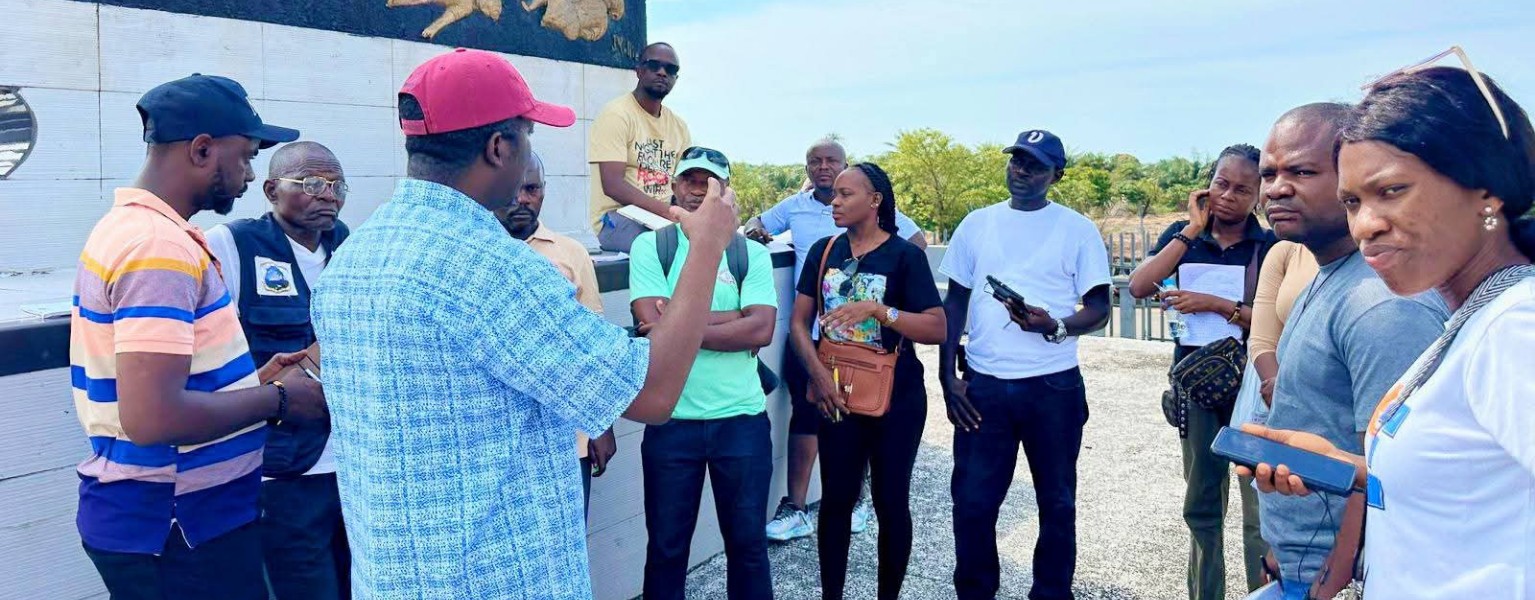
Faculty with Students
Faculty with Students Ibrahim Badamasi Babangida School, UL
Join Our School

Admissions Guidelines

Review detailed admission requirements and prepare your application portfolio for enrollment at Liberia's premier graduate school.

Enrollment Eligibility Criteria

1

Bachelor's degree from an accredited institution with a CGPA of 3.0 or higher (Provisional admission with CGPA of 2.7 to 2.99).

2

Pass the University of Liberia’s Graduate Entrance Exam or the General Graduate Record Examination (GGRE).

3

Social Science background (Or complete four non-credit prerequisite courses with a minimum grade of 'B').

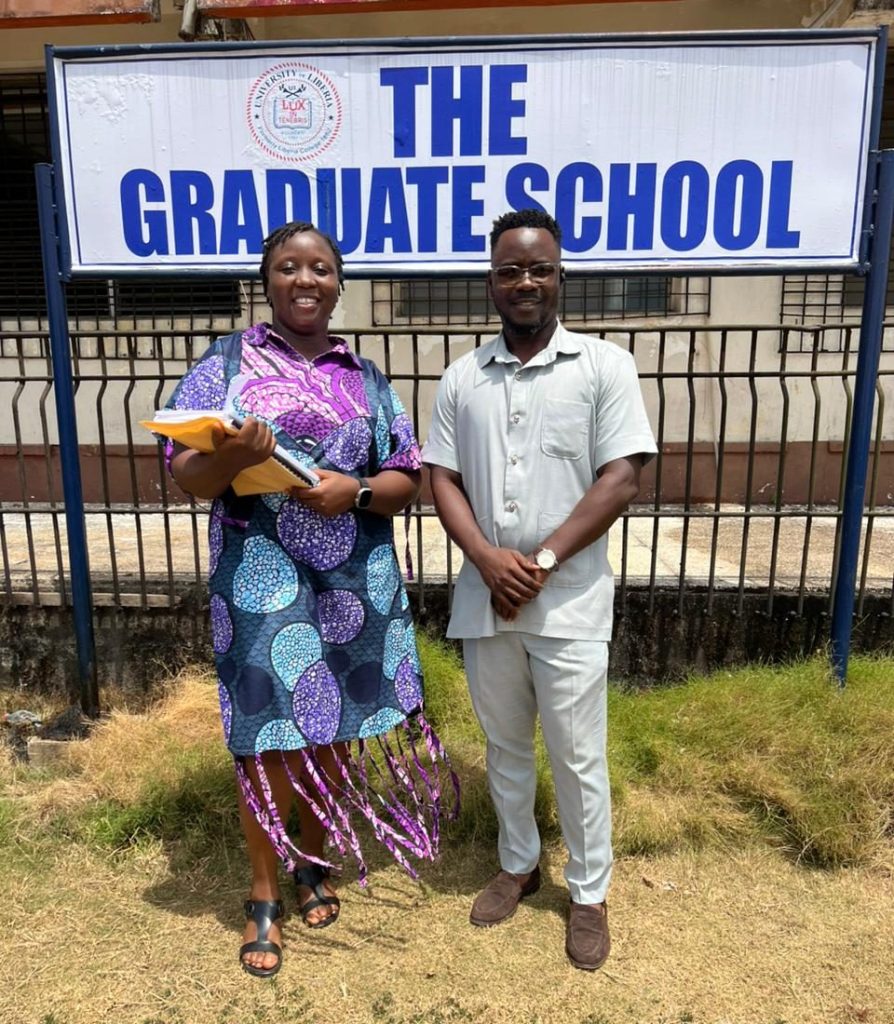
Graduate School Admissions & Registrar Office, Capitol Hill
Submission Guideline: Completed folders and official academic transcripts must be submitted to the IBBSIS Admissions Committee at the University of Liberia's Graduate School Building, Capitol Hill.

Required Application Documents

Prospective students are required to submit the following:

Readiness: 0%
EXPERT FACULTY

Core Academic Faculty

Our faculty comprises esteemed academics, public servants, diplomats, and international policy experts with decades of experience in teaching, governance, and global affairs. Their research and professional insights shape national and regional policy and enrich student learning.
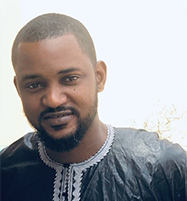
Dr. Mamadou L. Bah

Dr. Mamadou L. Bah

Director, Ibrahim Badamasi Babangida (IBB) Graduate School

IBBGSIS
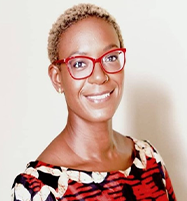
Dr. Tanya Ansahta Garnett

Dr. Tanya Ansahta Garnett

Instructor and Advisor, IBB Graduate School

IBBGSIS
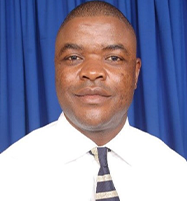
Prof. Tom Kaydor

Prof. Tom Kaydor

Associate Professor

IBBGSIS

Dr. David Kialain

Dr. David Kialain

Assistant Professor

IBBGSIS