
Sumo Charles D
- Posted on
- 314 Views
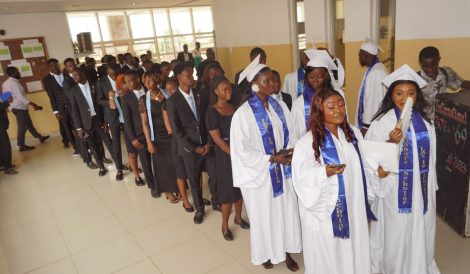
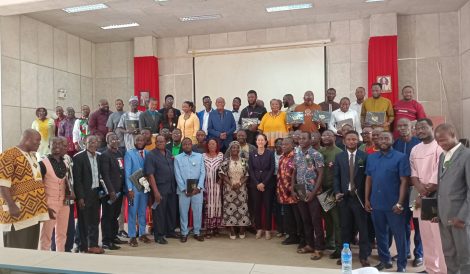
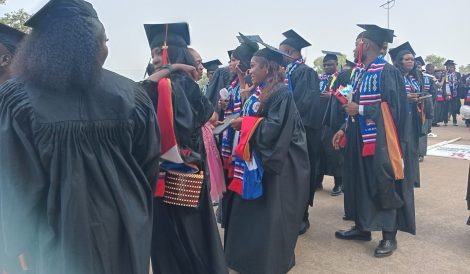
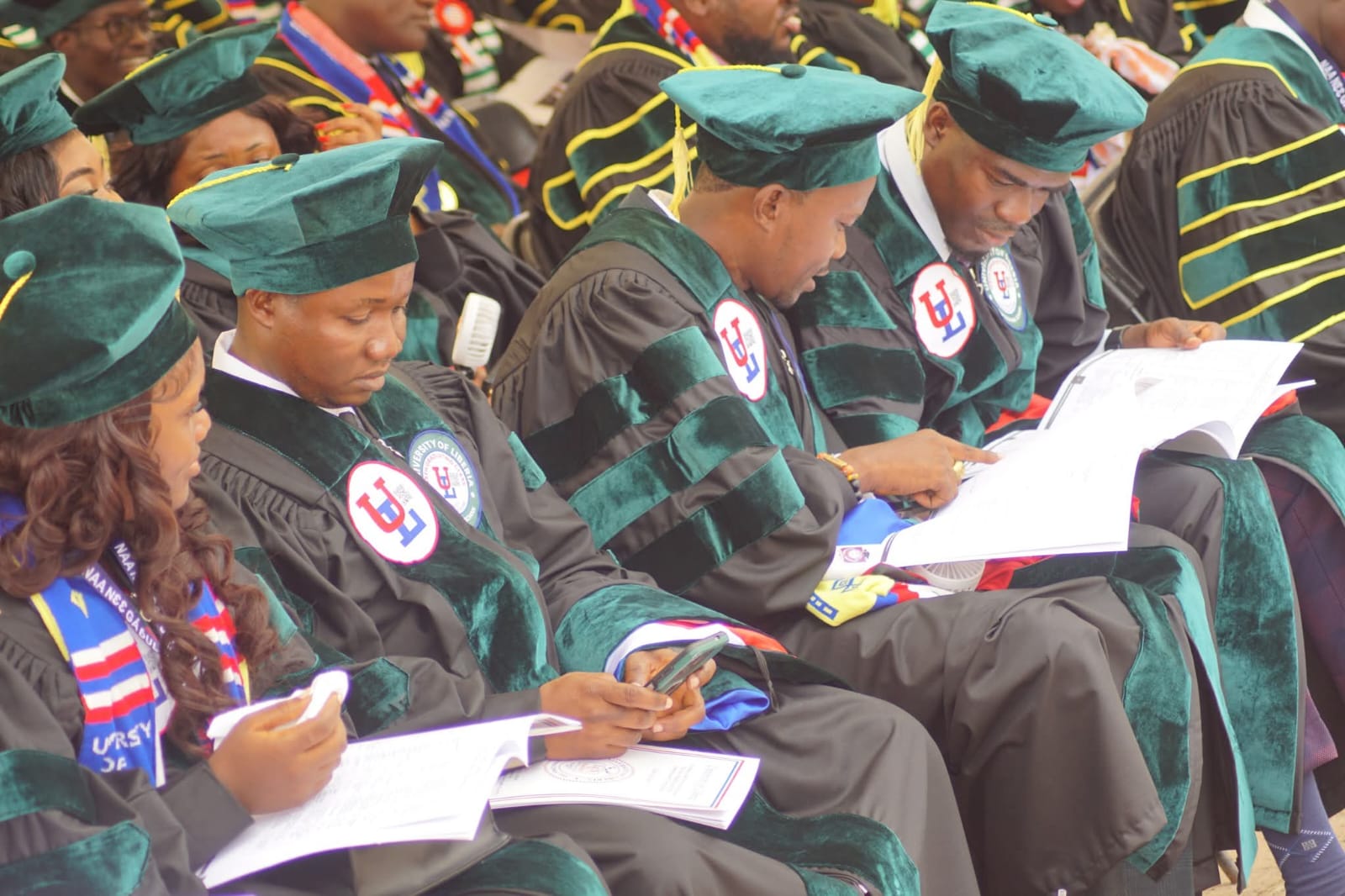
FENDALL, March 1, 2026 — In the second of two major graduation events, the University of Liberia (UL) saw 469 graduate and professional students cross the stage at the Fendall campus on Friday. The graduation which marked the climax of the 105th commencement convocation, was attended by President and University Visitor Joseph Nyuma Boakai along with top government officials and proud families.
Friday’s ceremony celebrated 469 specialized graduates, including 294 from the Graduate Schools, 86 from the Louis Arthur Grimes School of Law, 49 from the School of Pharmacy, and 40 from the Medical School.
The graduation followed an earlier ceremony on Wednesday, February 25, where the university conferred degrees upon 1,255 undergraduate candidates. These two events brought the 105th Commencement’s grand total to 1,724 graduates, a figure that includes students from the Booker Washington Institute (BWI) who participated in Wednesday’s undergraduate exercises.
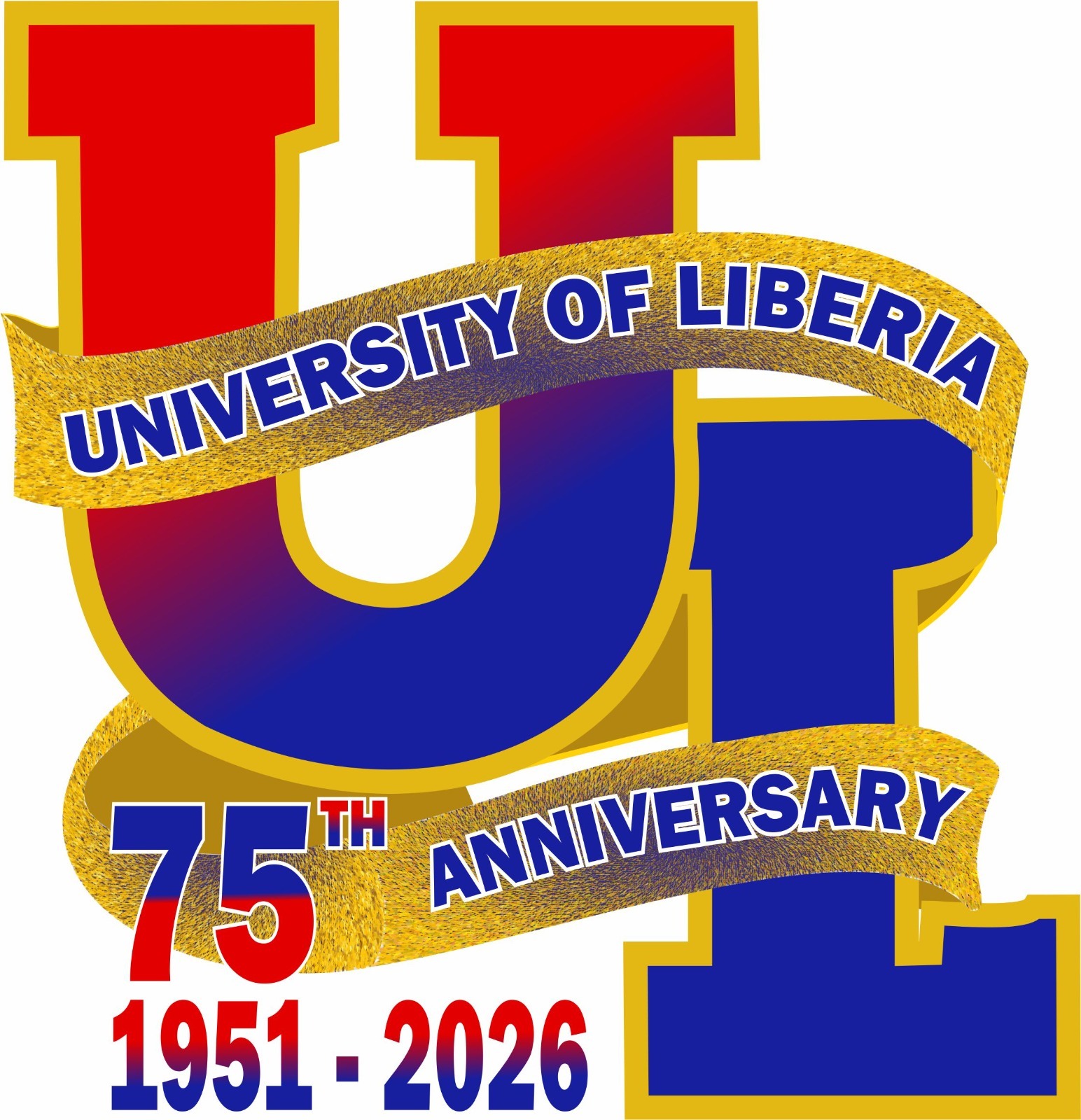
This year’s commencement marked the first under UL’s 16th President, Prof. Dr. Layli Maparyan. The graduation also coincided with the celebration of the University’s yearlong 75th anniversary since becoming a chartered institution in 1951, having been established as Liberia College in 1862.
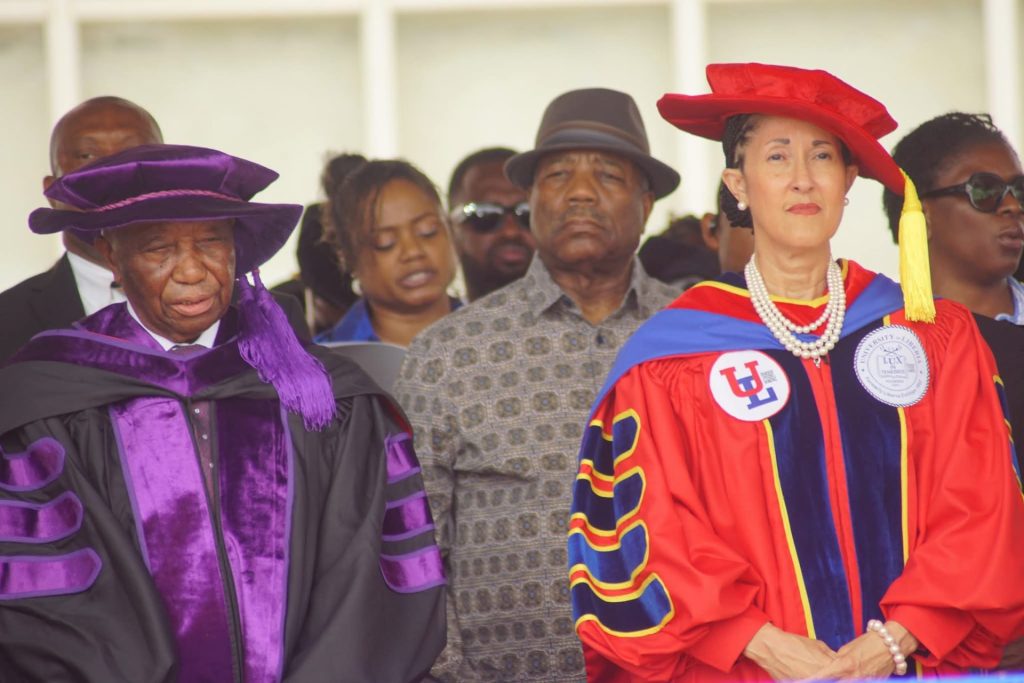
Liberian President and Visitor of the University Joseph Nyuma Boakai congratulated the Class of 2025, saying graduates have navigated the rigors of advanced study to emerge as the specialized workforce Liberia needs.
Boakai said the University of Liberia remains the national flagship and a gateway for youth to the middle class, but he is not content to maintain the status quo. Driven by a national push for transformation, he said UL must provide a world-class education that adapts to an evolving job market to compete in a globalized economy.
He said strong institutions are built on strong systems and urged university leaders to strengthen accountability in academic, administrative, financial, and disciplinary areas.
President Boakai noted further that he was particularly encouraged by the Graduating Class Leadership’s focus on development over division, saying, “Your proposal to construct a modern Research Laboratory speaks to a forward-looking vision, one that prioritizes innovation, practical learning, and national relevance.”
As a demonstration of his commitment to youth-driven development, President Boakai contributed an initial US $50,000.00 toward the Research Laboratory Project.
The Vice Chancellor of the University of Botswana, Prof. Dr. David Norris, delivered the commencement address, telling graduates that they were graduating at a time when Liberia did not need more spectators but builders, innovators, problem solvers, and ethical leaders.
“You are not stepping into an easy economy. But you are stepping into an economy that is waiting for transformation. You are stepping into an economy that has great potential. A potential that can transform the livelihoods of most Liberians,” said Dr. Norris.
He reminded the graduates that the world has changed, and people now live not primarily in an industrial economy, but in a knowledge economy. In a knowledge economy, Dr. Norris explained that a computer science graduate can develop software, mobile applications, and create fintech platforms that expand financial inclusion.
He added that an agriculture graduate can develop smart farming techniques that can establish new agro-processing methods, and train farmers on sustainable and profitable farming methods. Further, he said a business graduate can design supply chains that reduce waste and increase exports, among others.
“The top nine or the top 10 companies by value in this world today are what you call knowledge companies. Nvidia, Alphabet, Apple, Microsoft, Amazon, Meta,” he noted.
Dr. Norris believes that the graduates can develop innovative business models for digital platforms, develop digital content industries, provide national brands and tourism, and build online platforms that monetize local content, and develop pharmaceutical products from indigenous plant material.
“Let us imagine. Imagine if communities, our rural communities, processed cassava into packaged flour and such.”
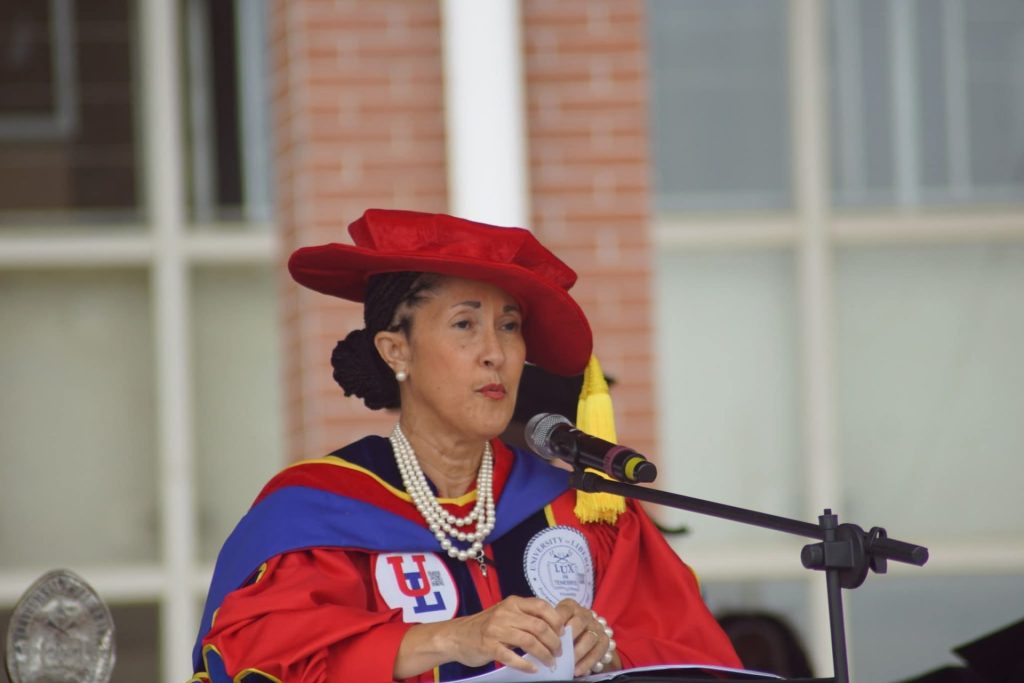
UL President Dr. Maparyan told graduates she expects them to step up in their communities and assume the responsibility of leadership. “You are specially qualified to take on this role by virtue of the knowledge you have gained from your UL education, combined with the tradition of civic engagement that goes to the heart of UL’s identity, a tradition so many of you have embraced directly,” Dr. Maparyan said.
The UL President cautioned the graduates that Liberia looks to them for integrity, innovation, and impact. She urged that their degree earned not merely be a certificate on the wall, but a living commitment to serve, lead, and uplift.
She also admonished them that the road ahead will not always be easy, but character is forged in challenge, and greatness is revealed in perseverance.
Dr. Maparyan described the UL 105th convocation as extraordinary because it is happening concurrently with the University’s 75th anniversary celebration, the Diamond Jubilee, marking three quarters of a century as a chartered national university born in 1951 from the historic Liberia College. She added that it is also the first convocation to yield associate degree holders through a partnership with the Booker Washington Institution (BWI).
Delivering the valedictory speech, Aissatou Jalloh Bah said the graduating class’ journey to this stage was not accidental. According to Bah, it was carved through pressure, persistence, and purpose. “And if I were to describe the spirit of the 105th Class, I would define it through three defining forces: endurance, commitment, and vision.”