

parleyww
- Posted on
- 98 Views
Move aims to address mental health workforce gap and rising drug crisis
Fendall, March 27, 2026 – The University of Liberia has launched its first-ever Department of Psychology, a historic milestone aimed at combating the nation’s severe shortage of mental health workers and training a new generation of professionals to address post-war challenges and a growing drug epidemic.
The new department, housed within the Amos C. Sawyer College of Social Sciences and Humanities, marks a significant shift for Liberia. Decades after a prolonged civil conflict, the country continues to face major gaps in mental health care.
With a faculty of internationally trained Liberian psychologists—led by Acting Chair Andrew Dean— UL aims to cultivate homegrown expertise to address these systemic challenges.
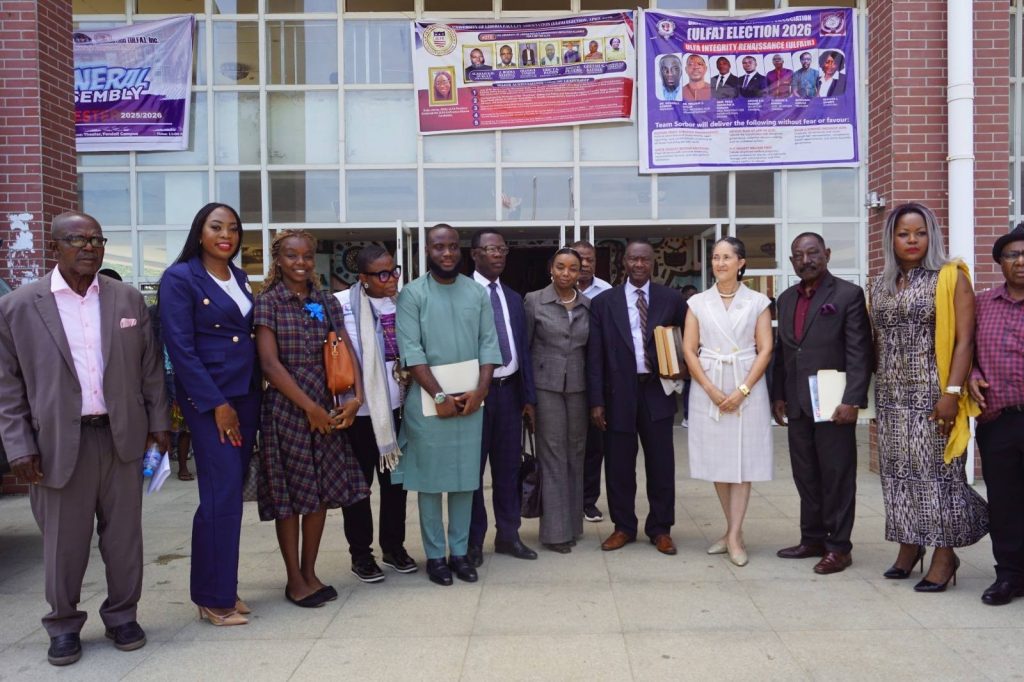
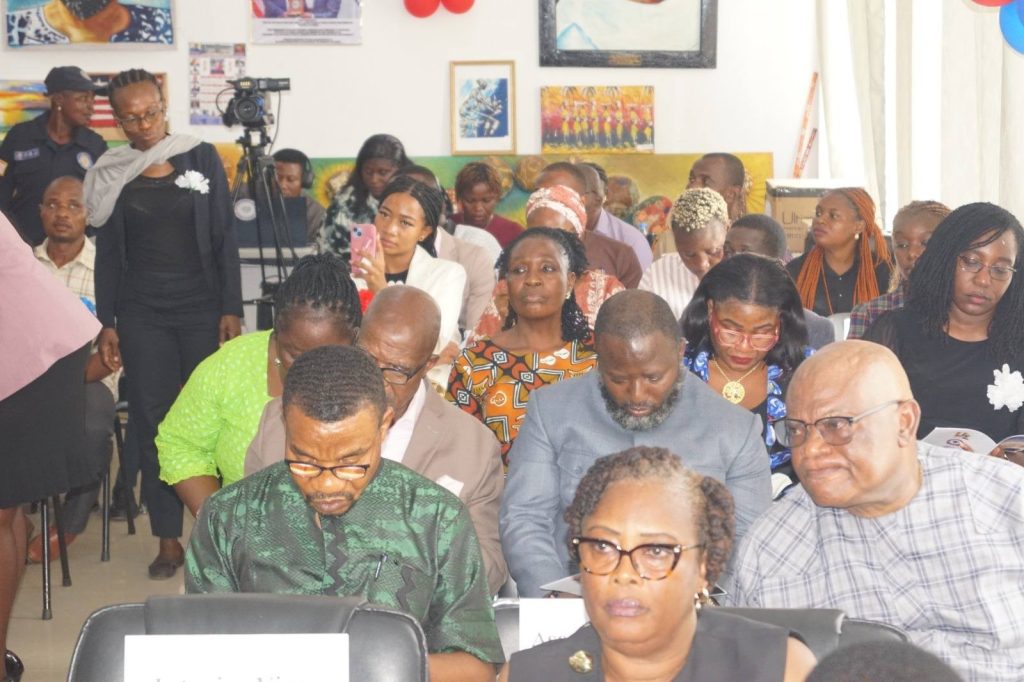
The program was officially inaugurated on March 25 at the Fendall campus. The ceremony brought together university administrators, government officials, international partners, faculty and students. It concluded with a ribbon cutting for the department’s fully furnished offices.
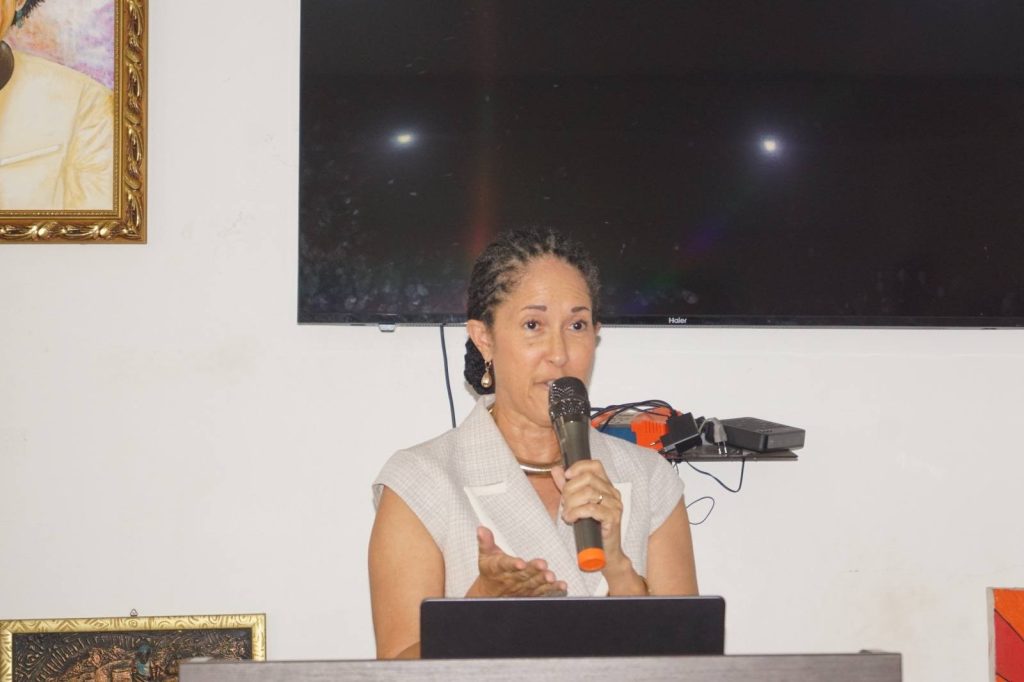
UL President Dr. Layli Maparyan, an academic developmental psychologist, said establishing the department was one of her first actions as president.
“This is indeed an important day for all of us, for the University of Liberia and for Liberia as a nation,” she said. “On a more personal level, today’s dedication represents the fulfillment of a dream and aspiration for me, not only as UL president, but also as an academic developmental psychologist.”
To start, the department will focus on three major pathways—Clinical Psychology, Developmental Psychology and Educational Psychology—allowing students to choose among them in their junior year.
Targeting a Growing Crisis
The department aims to tackle the nation’s ongoing mental health crisis by strengthening Liberia’s limited workforce and addressing the psychological effects of civil war, rising drug use and other mental health disorders.
Dr. Maparyan said recent data shows that two in ten young people are involved with drugs, warning that this could create a “lost generation” if left unchecked. She noted that the new department will help train professionals to address the biological, behavioral, social and spiritual dimensions of addiction.
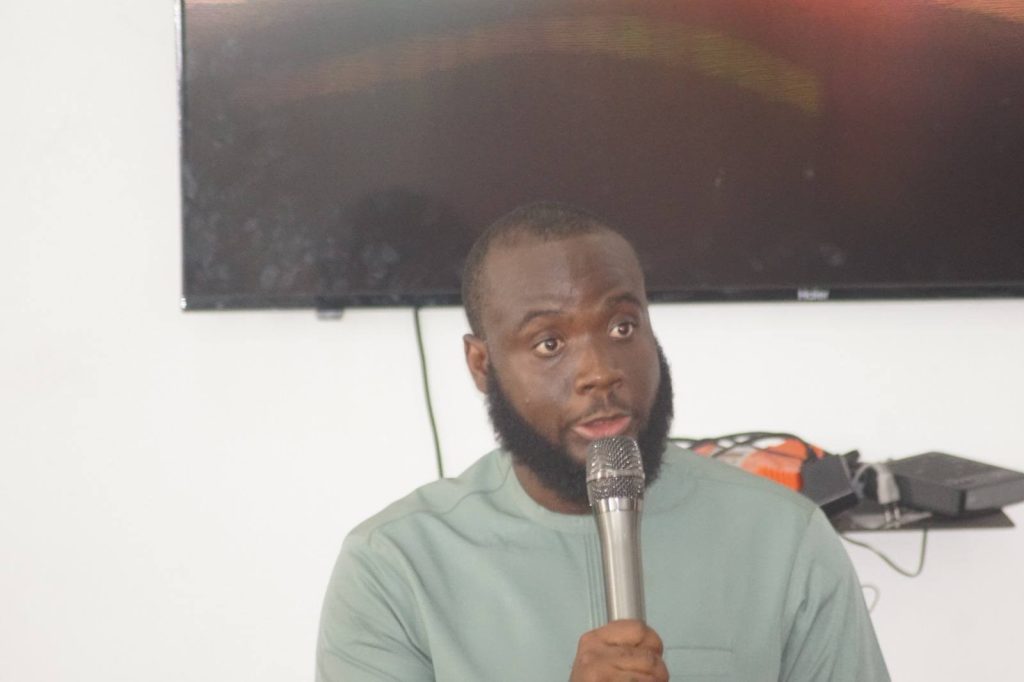
Chairman Dean said Liberia has faced a complex landscape of psychological challenges for decades, from lingering post-war trauma to increasing substance abuse and the often-overlooked burden of depression and anxiety.
“We see its impact everywhere,” Dean said. “It is visible in our mothers, fathers, brothers and sisters.”
However, he noted that for many Liberians, access to care has been limited. While acknowledging the contributions of existing professionals, he said their numbers remain insufficient to meet national needs.
According to Ministry of Health data, Liberia has only nine psychiatrists serving a population of over five million, along with fewer than five clinical psychologists.
History of Mental Health Care in Liberia
In a keynote address, Liberia’s first psychiatrist, Prof. Benjamin L. Harris, emphasized that effective care requires a holistic approach involving biological, psychological and social factors.
He noted that formal mental health services began in December 1961 with the establishment of the Catherine Hill Rehabilitation Hospital, founded by a group of women led by then First Lady Antoinette Tubman.
The facility was later destroyed during the civil conflict, leaving mental health services severely weakened. After the wars, services were largely decimated, he said.
In 2009, Liberia introduced its first mental health policy, with training as a key component. Today, the country has 10 psychiatrists—nine Liberians and one expatriate—and more than 300 clinicians trained by the Carter Center are serving across the country.
Partnership and Support
The Massachusetts Alliance for the Restoration of the University of Liberia (MARUL), headed by President Mrs. Baindu Barclay Browne, provided funding for the department’s office space.
In partnership with the John F. Kennedy Medical Center, the United Methodist University is also training mental health physician assistants at the master’s level, with clinical training at Grant Mental Hospital.
Dr. Maparyan expressed appreciation for the efforts of the department’s leadership and team throughout 2025, as well as MARUL’s support.
Hon. Macdella M. Cooper, Political Advisor to the President of Liberia, said the new department represents opportunity, growth and the impact of strong partnerships.
“When highlighting mental health, we must stop overlooking and underfunding it,” she said.
She added that the new facility provides a platform for research and service, sending a clear message that the work of mental health professionals is vital to Liberia’s development.