
Sumo Charles D
- Posted on
- 1850 Views
Goborone, Botswana, Dec. 12, 2025| The pan-African network of 175 universities, aimed at strengthening higher education and research in agriculture, held its yearly gathering last week.
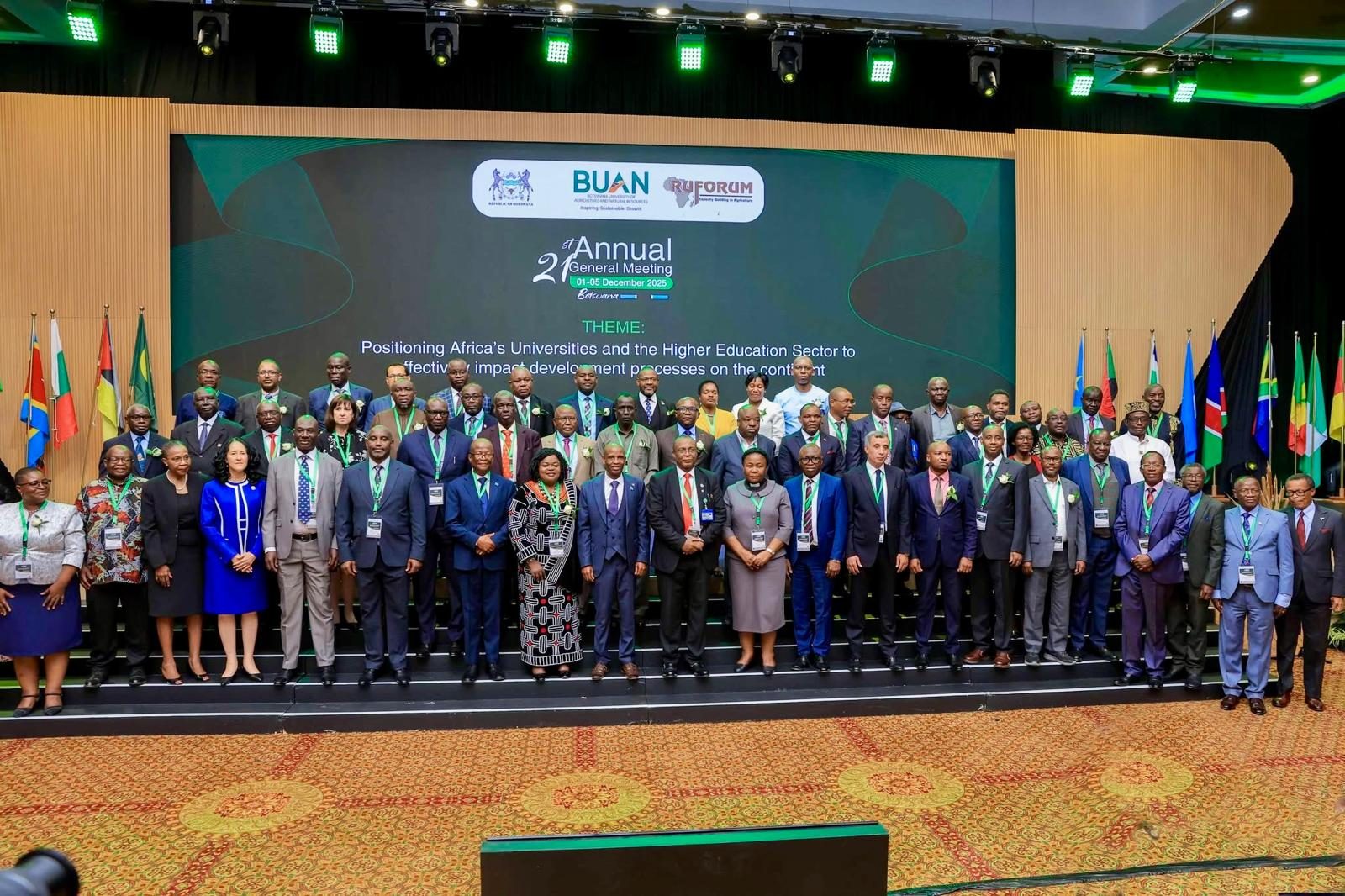
The 21st Annual General Meeting of the Regional Universities Forum for Capacity Building in Agriculture (RUFORUM), held in Gaborone, Botwana, focused on how African universities can drive a new wave of agricultural transformation across the continent by engaging young people and shifting from distant ivory towers to real economic engines.
The University of Liberia, a RUFORUM member since 2017, was represented by a delegation led by President Dr. Layli Maparyan and included Prof Leroy Cegbe, Dean of UL’s College of Agriculture and Forestry.
”RUFORUM is raising the bar for agricultural education and training by emphasizing research, innovation, development, and entrepreneurship, as well as the embrace of appropriate technology to power up what African agriculture can achieve,” Dr. Maparyan said.
The AGM, themed “Positioning Africa’s Universities and the Higher Education Sector to Effectively Impact Development Processes on the Continent,” ran from Dec. 1 to 5, and brought together more than 600 participants including university leaders, business experts, students and researchers, from across the continent and the globe to discuss capacity building and sustainable development strategies.
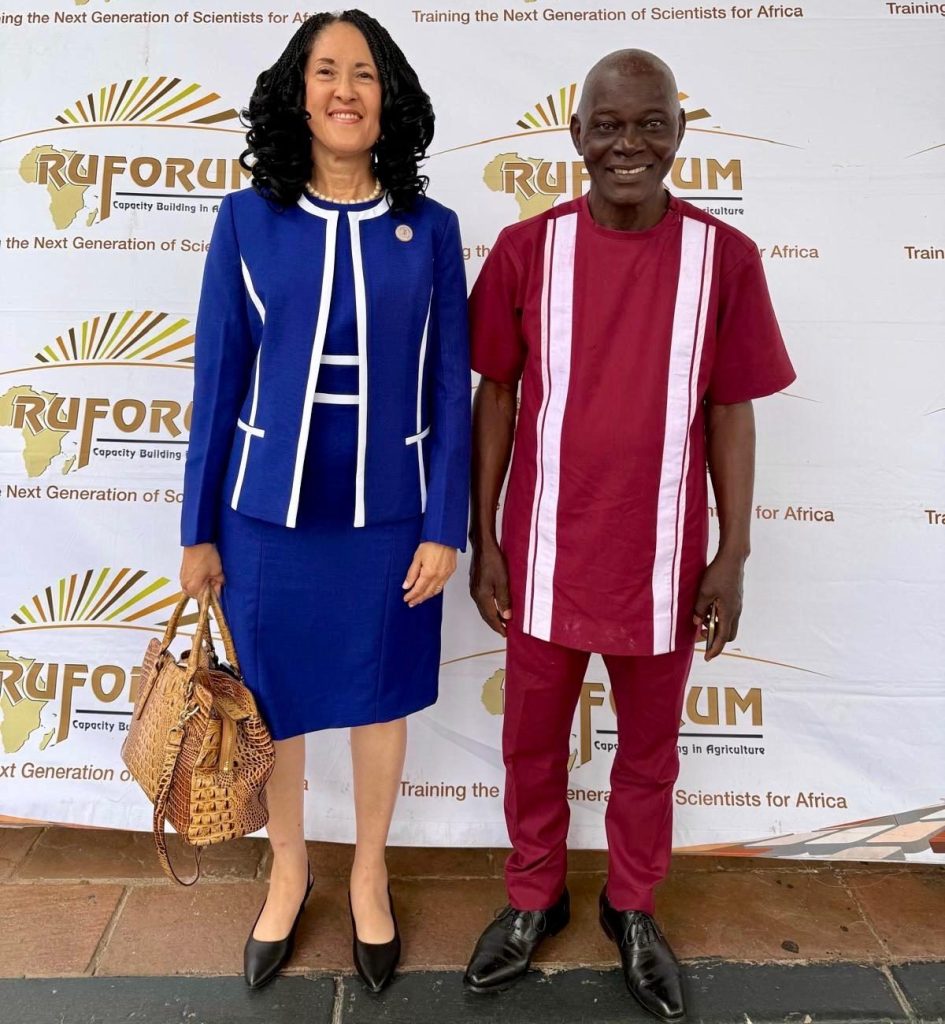
“Being at the RUFORUM AGM as a Dean of the Agriculture College is critical because it positions me at the center of continental decision-making, innovation exchange, and strategic partnerships that directly shape the future of agricultural education and research in Africa,” Dean Cegbe said.
He added: “This is a rare chance to forge partnerships that can bring funding, joint research, and student exchange programs. I was able to interact with some Vice Chancellors and Deans. We exchanged called cards and took down addresses for future engagements.”
The AGM’s core events centered on four strategic pillars: Science for Development, Strategic Partnerships, Capacity Building for Future Leaders and Digital Transformation. This year’s theme underscored the need for universities to no longer act solely as insular learning centers focused on theory but to also become bustling economic hubs to affect change continentwide in practical, tangible ways.
“This meeting drove the point home that it’s not enough to conduct research – research must lead to solutions to national development problems through innovation and development that lead to bankable and marketable products, processes, and services that achieve real results for real people through entrepreneurship,” Dr. Maparyan said.
She added that academics and entrepreneurs must have a symbiotic relationship.
“Academic researchers must become more knowledgeable about business and the value chain for their ideas and findings, and people studying to enter the business world must learn more about how to work with researchers to discover, promote, and create value around promising research findings.”
Dr. Maparyan said another key takeaway is the need to “accelerate UL’s focus on Research, Entrepreneurship, Development, and Innovation (REDI) because, to translate scholarship to solutions for national development requires all four of these elements.” Additionally, leveraging the continent’s large youthful population and engaging young people in agribusiness is vital.
. “A major theme of this year’s meeting was how to empower Africa’s youth through agriculture – how to attract youth to agriculture, excite youth about agriculture, and embrace the genius of today’s youth in the agricultural arena. It was exciting and inspiring,” she said.
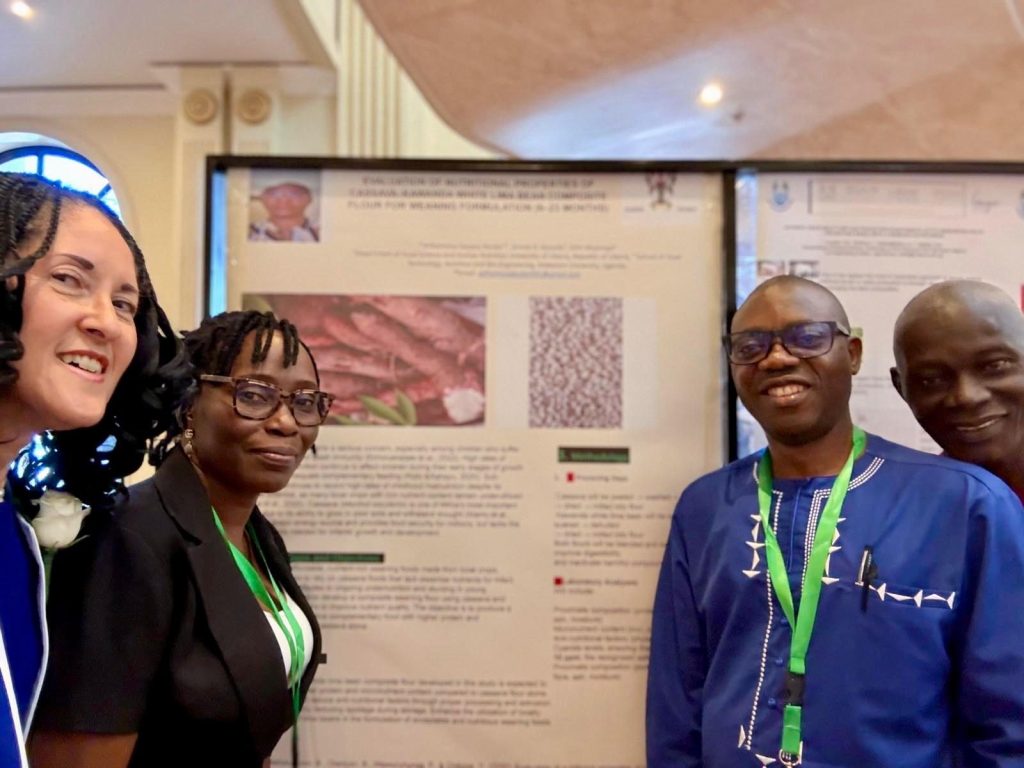
Two of UL faculty who are on Study Leave at Botswana University of Agriculture & Natural Resources (BUAN) presented their research during the AGM. Wilhelmina G. Kordor and Spencer K. Kamara, both pursuing their masters, are researching ways to enhance the nutritional value of cassava products.
The AGM marked UL’s return to RUFORUM after many years as its membership had lapsed, but it was reinstated this year.
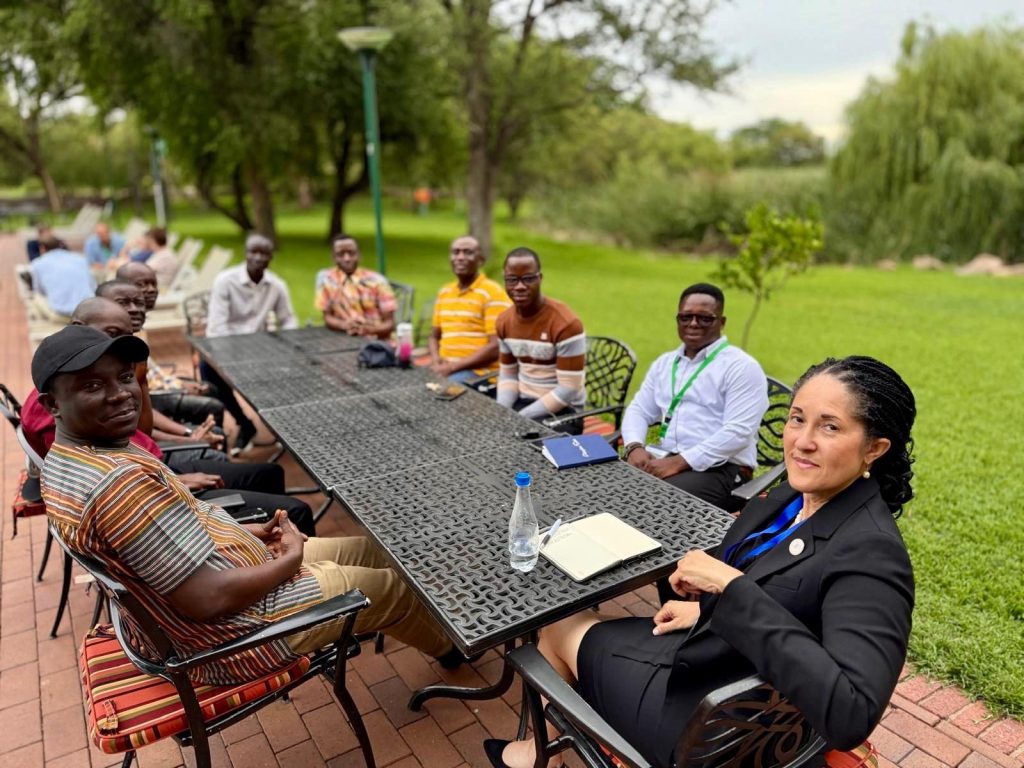
“Membership in RUFORUM is not only valuable for the scholarships – it also valuable for the exposure to innovation in agriculture and the opportunities to build inter-institutional and cross-continental partnerships that advance food security and economic prosperity across the continent,” Dr. Maparyan said. “It provides the opportunity to be part of a movement. I made many key connections with fellow University Presidents and Vice Chancellors at the RUFORUM meeting that will likely open doors for UL’s faculty and students in agriculture, forestry, and fisheries and aquaculture science.”
Historically, UL has been a major player in RUFORUM through the efforts of former UL President Ophelia Weeks, who held a leadership role in RUFORUM during her presidency and post-presidency. At least 10 UL faculty benefited from RUFORUM scholarships for advanced degrees in agriculture during her tenure. Dr. Weeks currently sits on the RUFORUM International Advisory Panel.