
parleyww
- Posted on
- 1547 Views
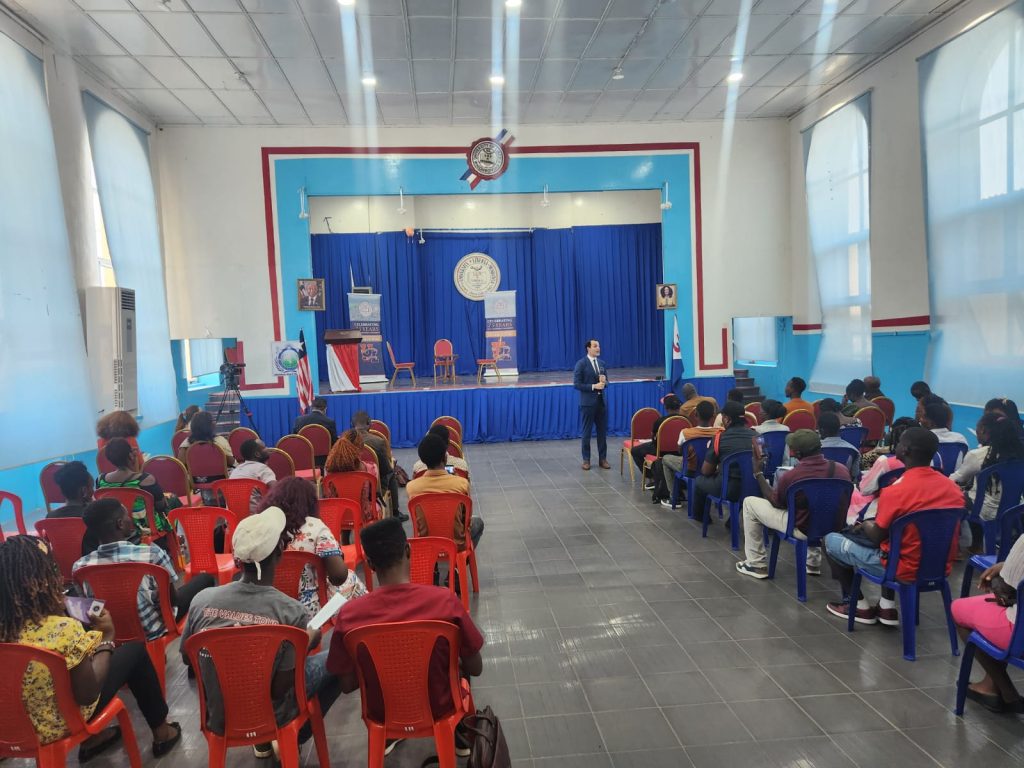
MONROVIA, March 20, 2026 — Leaders of the g7+ met with University of Liberia (UL) students on Wednesday to urge the next generation to safeguard peace and reshape global narratives about their nations. The interactive dialogue, held at the Capitol Hill campus, was part of the university’s 75th anniversary celebration and drew scores of students and university officials to the Tubman Hall Auditorium.
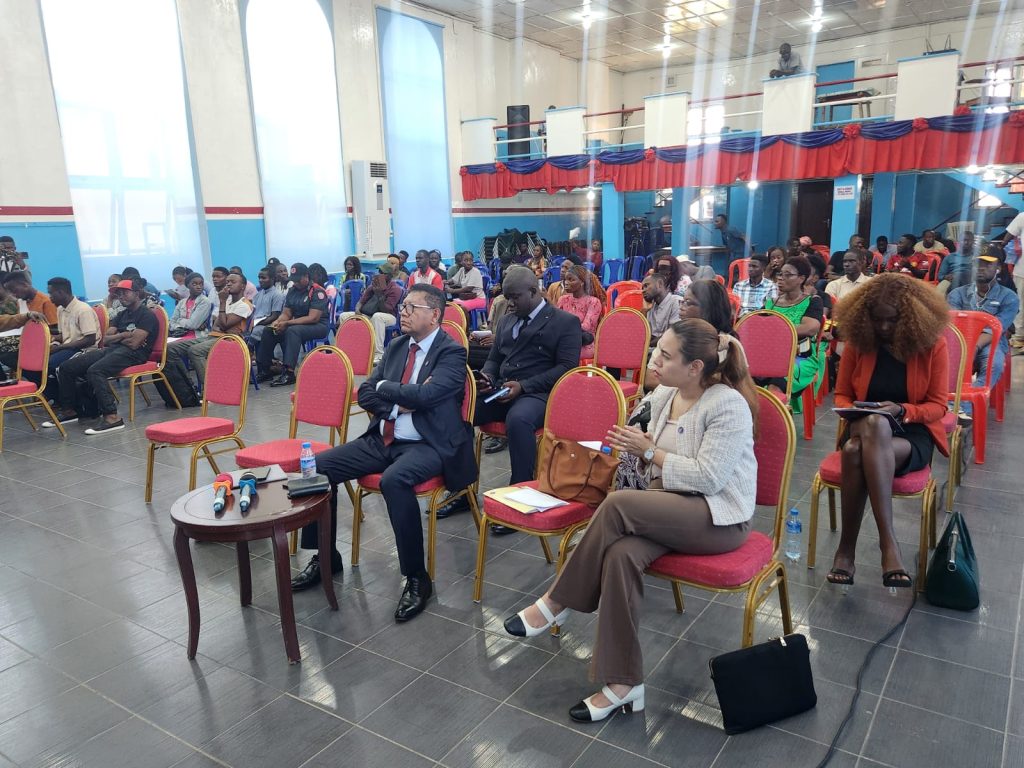
The g7+ is an inter-governmental organization of conflict-affected states across Africa, Asia, the Pacific, and the Caribbean dedicated to promoting peace, stability, and inclusive development. During the midday session, Dr. DaCosta and Mr. Mayar challenged students to become ambassadors for peace. They warned that fragile states risk being defined by conflict unless young people defend democratic progress and promote reconciliation. Dr. DaCosta noted that the cross-regional group exists specifically to foster inclusive development in nations recovering from war and upheaval.
He hailed Liberia’s approach in handling the border situation with its neighbor, Guinea, to de-escalate, noting that it shows the courage of leadership.
“This shows the visionary leadership, shows the willingness of your leaders to de-escalate the situation so that people can move on and live with their livelihoods. So, this is about something that the g7 Plus are really, really promoting,” Dr. DaCosta said.
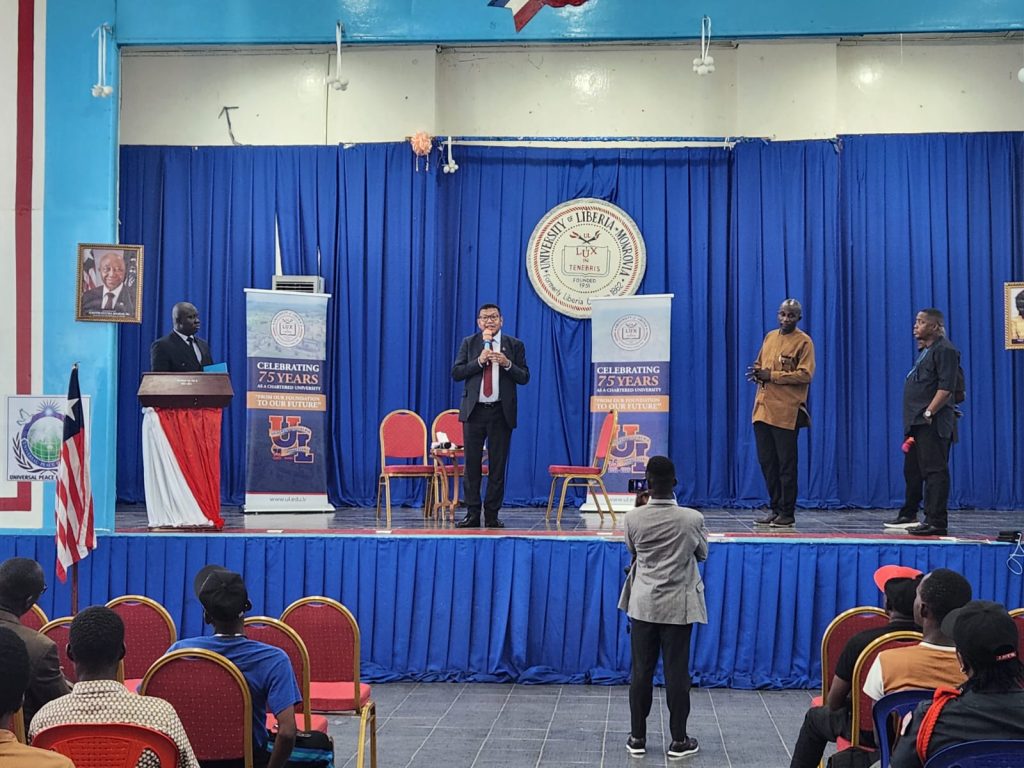
He noted that they were visiting because Liberia had double success – it has assumed the role as a new deputy chair of the g7+ and the role as one of the United Nations members of the UN Security Council. Dr. DaCosta urged students to view themselves as “agents of peace” who can sustain recovery and prevent a return to violence.
Mr. Hab’b Mayar, the g7+ deputy general secretary, followed with an interactive segment that highlighted how popular images shape perceptions of countries. He asked students whether they had heard of Timor-Leste, Afghanistan, France and Sierra Leone — eliciting answers that ranged from the Eiffel Tower in Paris to “Taliban” in Afghanistan, and “blood diamonds” in Sierra Leone.
Mr. Mayar’s point was international discourse tends to reduce certain nations to a single, often violent trope while overlooking resilience, culture, and progress, but elevating the good things in other nations at the same time.
“France was in a bloodier war,” Mr. Mayar said, urging students to challenge simplistic portrayals. “War is not in our DNA.” He also said many fragile states are portrayed abroad only through images of violence and deprivation, a framing he said the G7+ was formed to change.
The g7+ originated from a 2010 meeting in Dili, Timor-Leste, where seven founding members—Liberia, Sierra Leone, Côte d’Ivoire, Afghanistan, Timor-Leste, the Democratic Republic of Congo and Haiti—formed a platform to coordinate responses to common post-conflict challenges. Today, the group comprises 20 member states across Asia, Africa, the Pacific and the Caribbean.
The organization’s African membership includes Burundi, Central African Republic, Chad, Comoros Islands, Côte d’Ivoire, Democratic Republic of Congo, Republic of Guinea, Guinea-Bissau, Liberia, São Tomé e Príncipe, Sierra Leone, Somalia, South Sudan and Togo.