
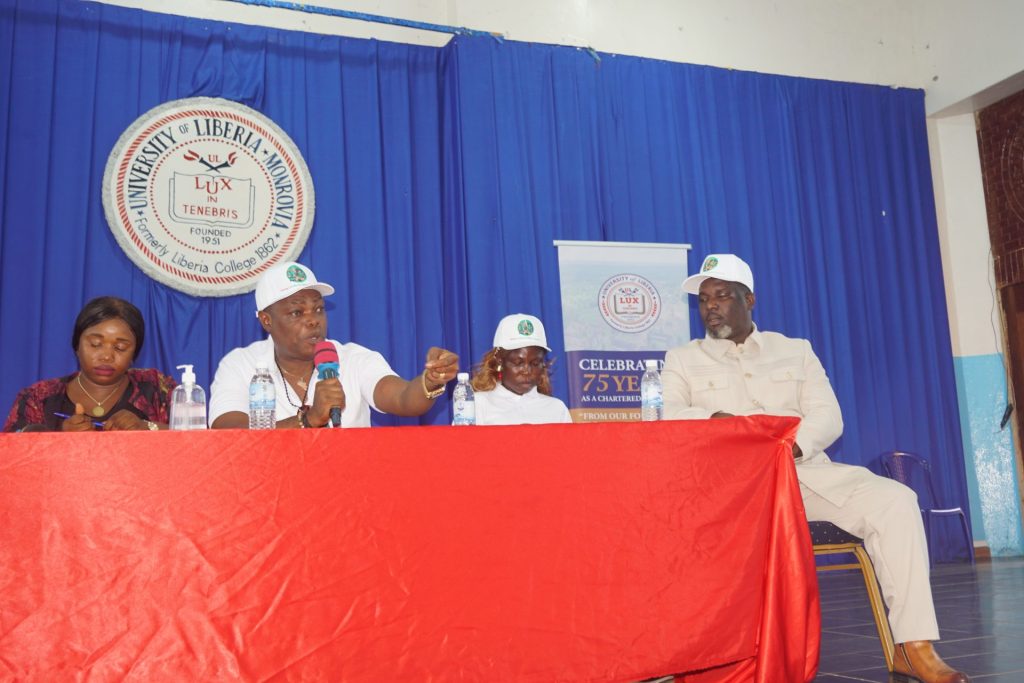
Capitol Hill Campus, May 27, 2026 – The University of Liberia on Friday hosted the 2026 International Day of Biological Diversity celebration on its Capitol Hill campus to provide education and increase public awareness about biodiversity.
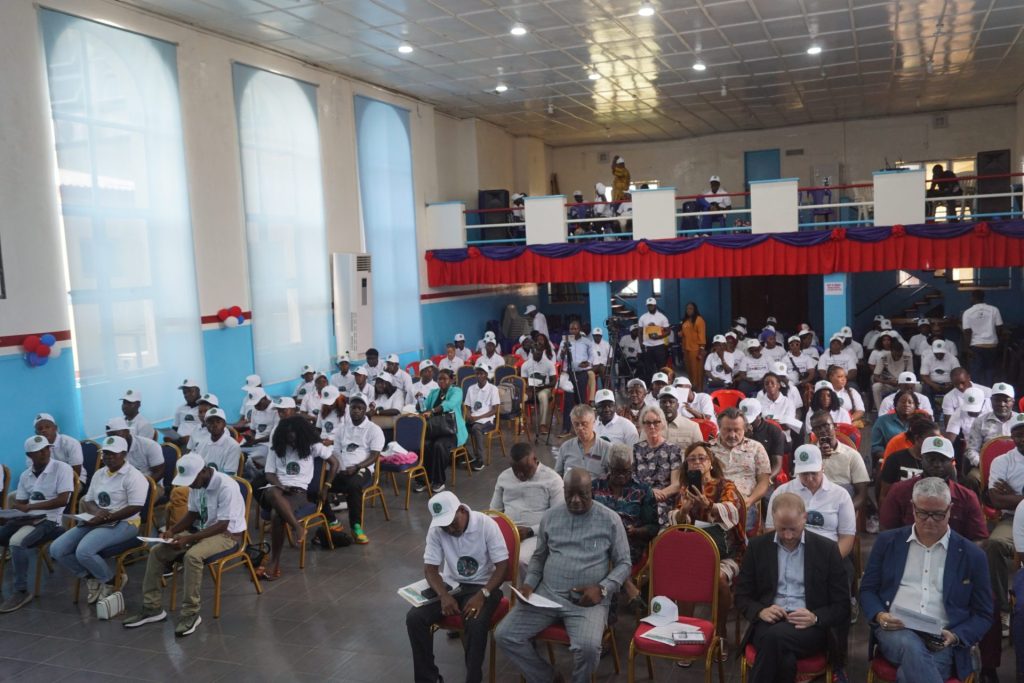
The program, held on May 22 in line with the United Nations’ observance, was organized by the Environmental Protection Agency (EPA) in collaboration with the University of Liberia (UL) and Wild Chimpanzee Foundation (WCF). It was themed, “Acting locally for global impact.”
The theme underscored the need for communities and institutions to take practical steps at the local level to protect biodiversity and to highlight its role in safeguarding animals, plants, forests, oceans, and ecosystems.
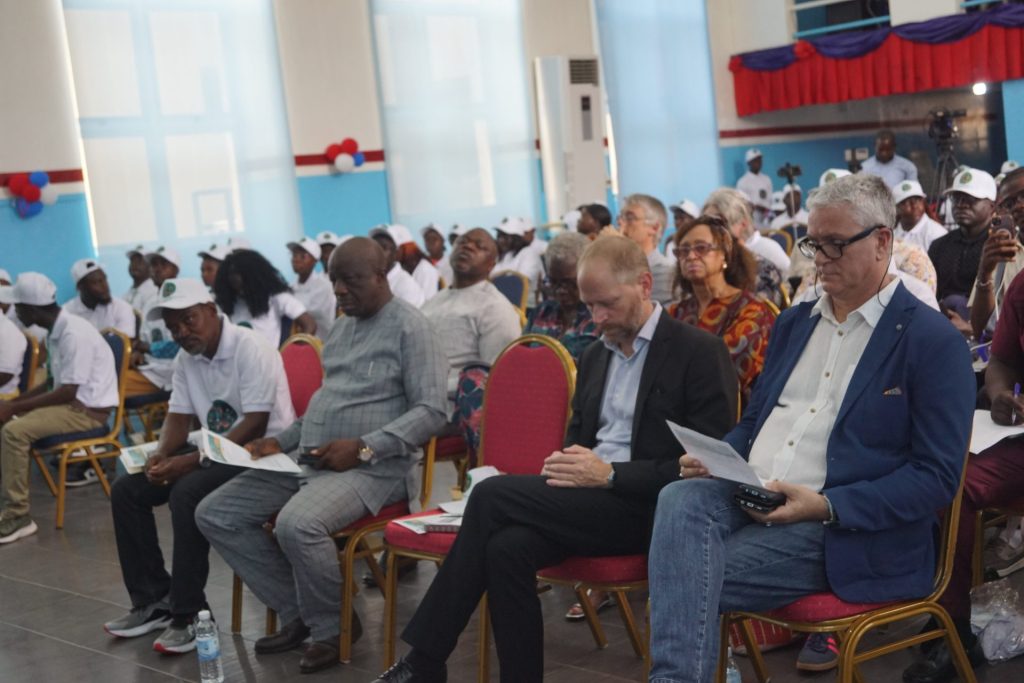
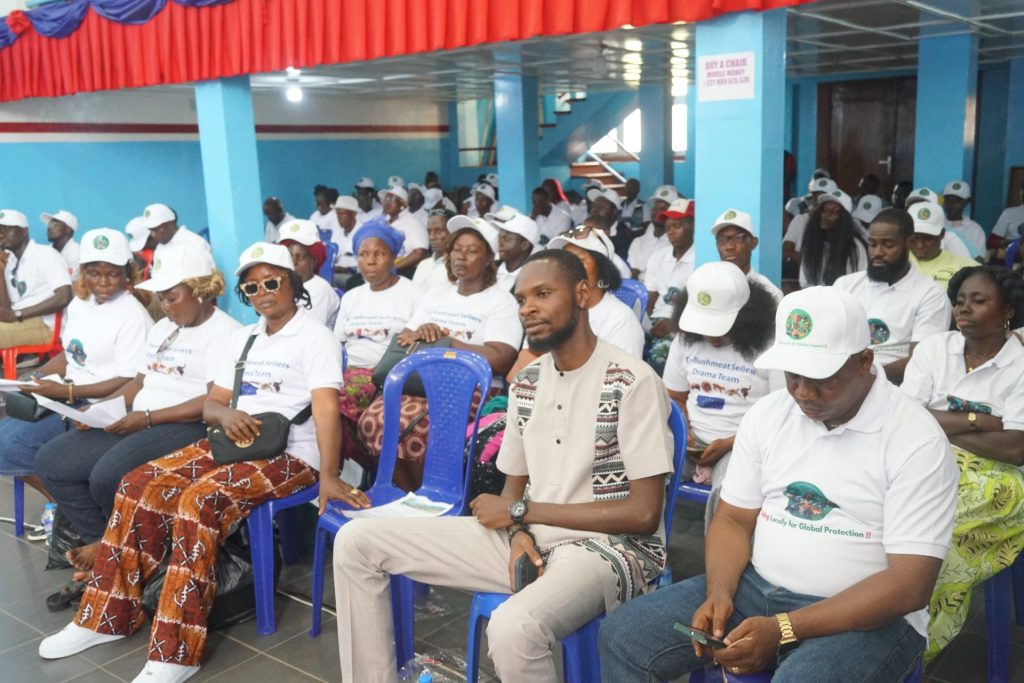
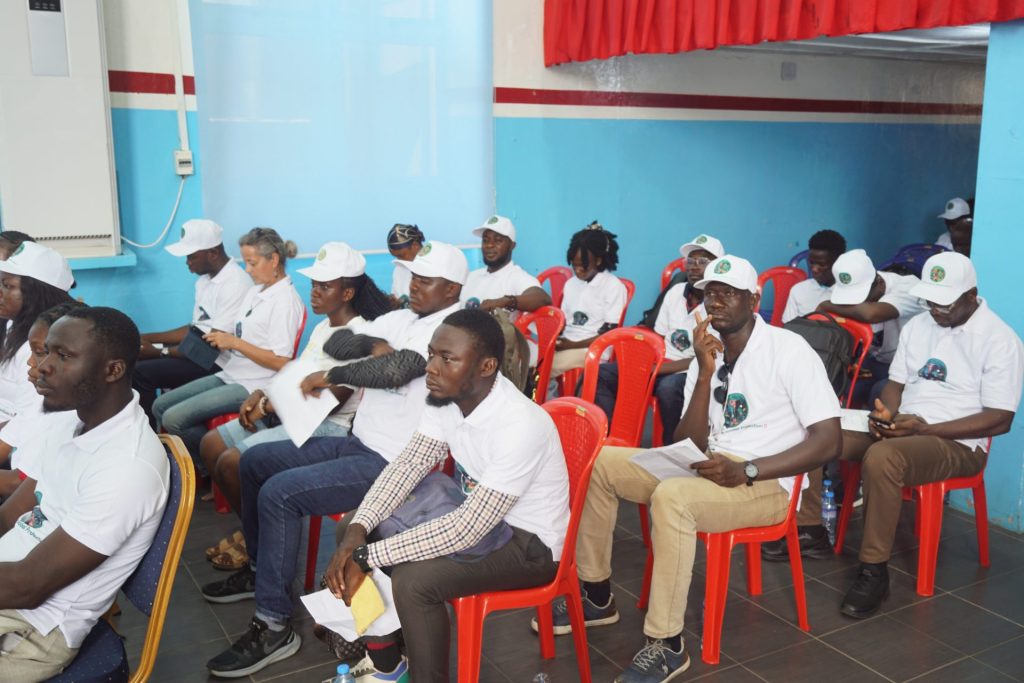
Government representatives from sector agencies and international partners leading the awareness on biological diversity, administrators, faculty, staff, and students of the university, participated in the celebration on Friday.
UN marks May 22 to promote biodiversity awareness
The United Nations designates May 22 as the International Day for Biodiversity to encourage information-sharing and education for global, national, and local audiences on the importance of biodiversity.
At the event, Dr. Boakai K. Robertson, Executive Director of the University of Liberia’s Forestry, Biodiversity and Conservation (FBC) Center, told participants that scientists, policy makers, educators, and citizens all have a role in building a more sustainable and resilient future.
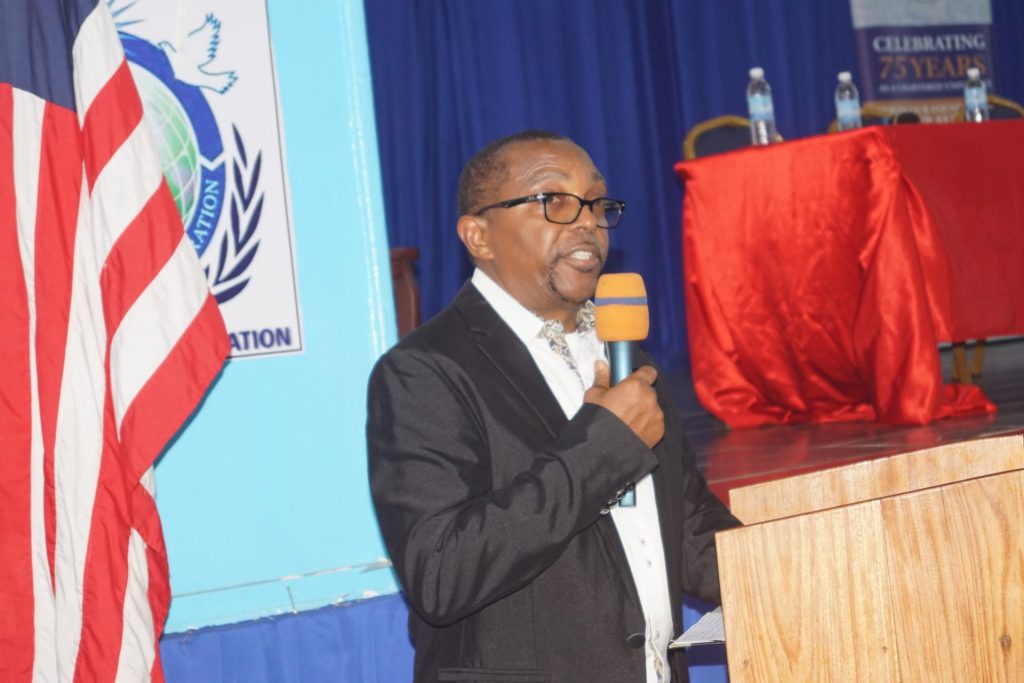
As a university, Dr. Robertson stated that UL has a special role to play, adding that universities are centers of learning, innovation, research, and leadership.
He said universities, in particular, have a responsibility not only to study biodiversity but also to generate solutions, promote environmental stewardship, and prepare future generations to address the complex environmental challenges facing the world today.
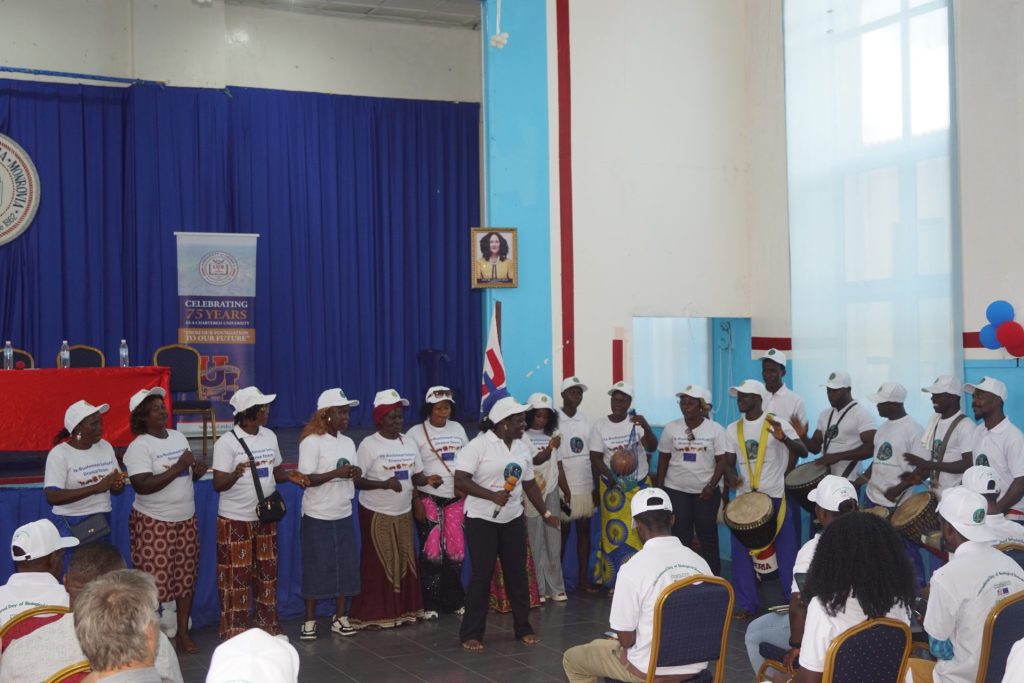
He added that the celebration was also an opportunity to reflect on the richness of life on earth and shared responsibility to protect it for present and future generations.
“Biological diversity is more than plants, animals, and microorganisms. It is the foundation of healthy ecosystems, food security, medicine, climate resilience, clean water, and sustainable livelihoods,” Dr. Robertson said.
On behalf of the University of Liberia President, Dr. Layli Maparyan, Dr. Robertson praised the organizers, partners, and participants and said the event reinforced that biodiversity conservation depends on collaboration across disciplines, institutions, and communities.
Keynote links biodiversity to daily life and warns of threats
Serving as the keynote speaker, Mr. Michael F. Garbo, Executive Director of the Society for the Conservation of Nature of Liberia, said biodiversity day is about life in all forms – from organisms that support crops to ecosystems that sustain communities.
“Every breath we take, every meal we eat, and every drop of clean water we enjoy is connected to biodiversity. Yet, despite its importance, biodiversity across the globe is on a serious and sincere threat,” Mr. Garbo said.
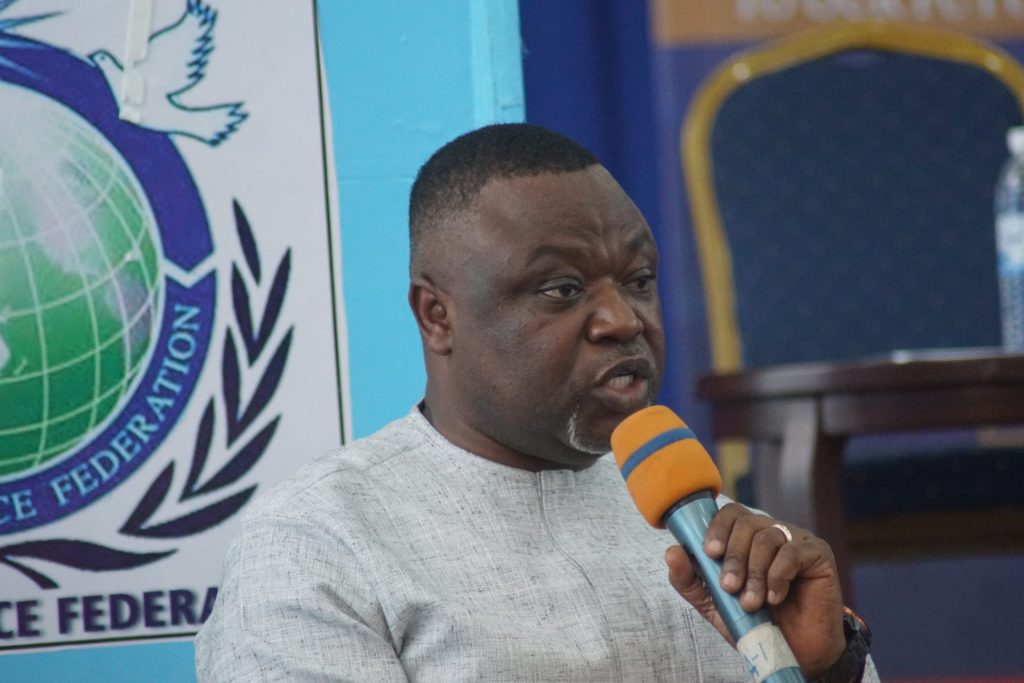
He warned that forests are disappearing, species are declining at alarming rates, pollution continues to contaminate land and water, and climate change is affecting ecosystem systems faster than many species can adapt.
However, he said solutions often begin locally, adding that communities, schools, farms, and markets, with small and consistent actions, can lead to broader change.
“A community that stops dumping waste in railways protects marine life. A fund that reduces plastic use helps prevent pollution in the oceans through our country. The action may appear small. Individuals may come to say we are taking it individually, but collectively it is a big one,” Mr. Garbo said.
He recommended stronger environmental laws supported by community participation, sustainable development, policies protecting conservation efforts, and investment in renewable energy. He also cited indigenous practices such as sustainable farming, water conservation, and forest management as evidence that people and nature can coexist.
However, Mr. Garbo warned that modernization can cause societies to forget those lessons – consuming more than needed, wasting resources, and favoring short-term gain over long-term sustainability.
“When biodiversity declines, food security weakens, health breaks, and economic suffering increase. This is why conservation is not a luxury; it is a necessity,” he said.
FDA official cites deforestation and land-clearing concerns
In remarks during the program, Mr. Jerry G. Yonmah, Technical Manager for the Conservation Department at the Forestry Development Authority (FDA), said Liberia’s forests and waters continue to face destruction, describing the problem as being driven mainly by activities involving people from other countries, aided by locals.
He cited examples from Zwedru in Grand Gedeh County and Greenville in Sinoe County, where he said dry bushes have been cleared by Burkinabe settlers. According to him, the Liberia Refugee Repatriation and Resettlement Commission’s assessment shows that there are over 80,000 Burkinabes in Grand Gedeh. He said it would amount to extensive land clearing if one Burkinabe cleared one hectare, for instance.
He called on policymakers, government institutions, and local authorities to act, particularly in the southeast, to address the problem and protect forest and water resources.