
Capitol Hill, May 12, 2026 – European Union diplomat Zoltan Szalai recently engaged students and academics at the University of Liberia in discussions on global affairs, diplomacy and EU-Liberia relations during activities marking European Union Week.
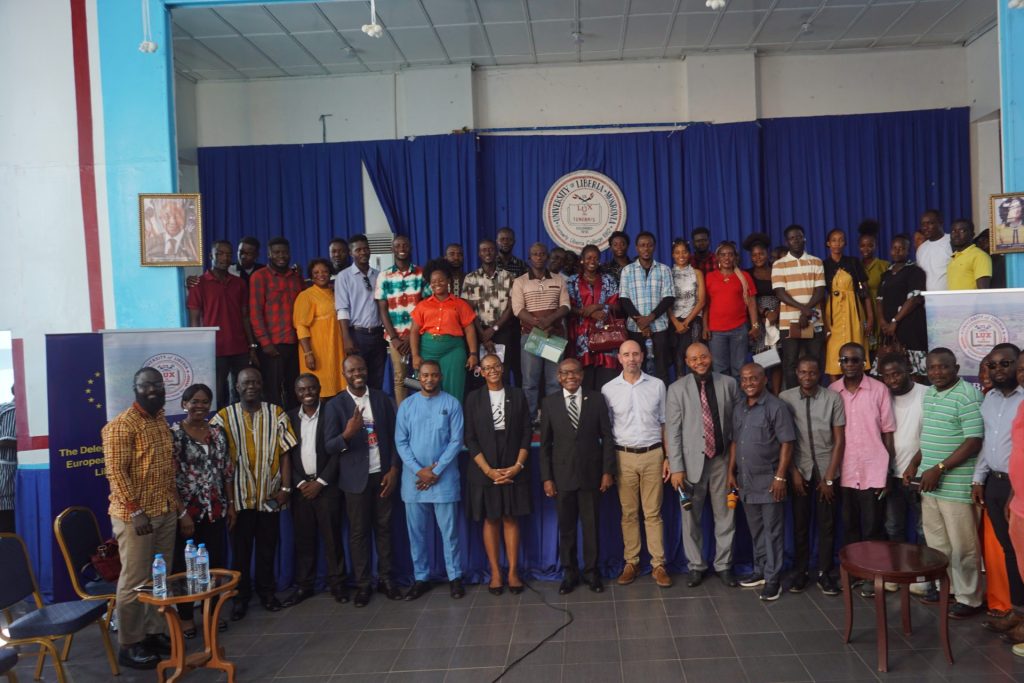
Szalai, Charge d’Affaires of the European Union Delegation near Monrovia, served as guest lecturer during a one-day forum held May 5 at the Tubman Hall Auditorium on the university’s Capitol Hill campus. Organized by the EU Delegation in collaboration with the Ibrahim Badamasi Babangida Graduate School of International Studies, the event focused on pressing international issues, multilateral cooperation and contemporary global challenges.
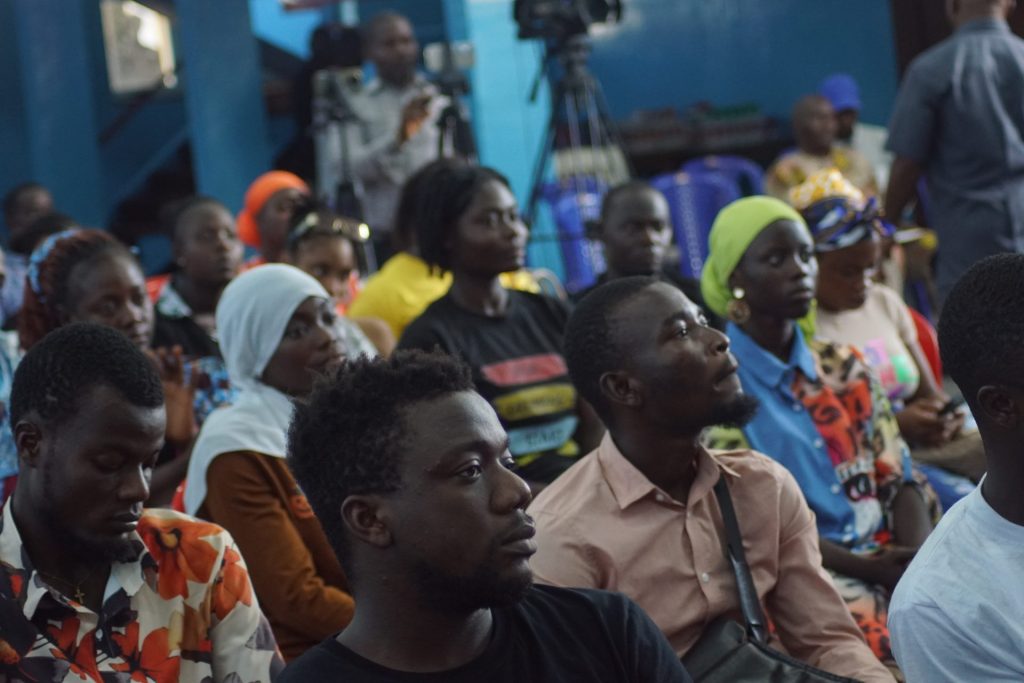
The lecture drew guests from the European Union Delegation, University of Liberia administration, students, faculty, staff, the public, and online followers. During the forum, Mr. Szalai shared his thoughts on the EU, its essence, and highlighted how its relations with Liberia and Africa could develop. In discussing the EU, Mr. Szalai observed that in the last 76 years, they haven’t had any military conflict or war within the European Union.
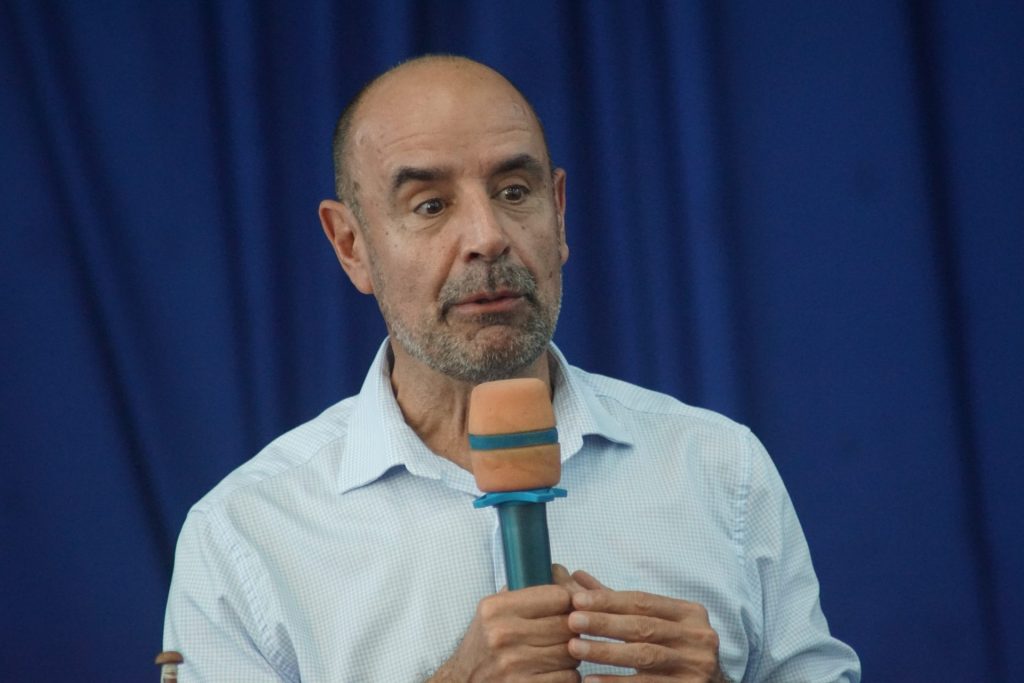
He attributed that long period of peace to a treaty proposed in 1950 by then French Foreign Minister Robert Schumann, which helped enable long-time enemies France and Germany to share resources – mainly steel and coal – making future military conflict physically impossible. Szalai suggested that this is a huge achievement, and probably the biggest one could have had.
In addition, Szalai said the union went beyond sharing resources and gradually shared political capital, expanding toward wider integration as numerous countries later joined, including the United Kingdom, Ireland, and Denmark.
He argued that the only big global player that does not have a hidden agenda is the European Union, pointing to its 27 member states and emphasizing that, regardless of their population or size, they have a say at the table. He further said member states in the bloc can veto decisions that they do not support, like deciding on Iran, for instance.
This, he said, reflects the kind of sharing and partnership the EU seeks in international relations.
“We are interested in cooperation, in partnership. We don’t have to be the same. We are not the same in Europe as well, but it doesn’t mean that we cannot be equal,” said Szalai.
Turning to EU-Africa relations, especially Liberia, Szalai said the EU is pursuing a partnership program known as Global Gateway, focusing on Africa – including Liberia – because the traditional donor-recipient model that has existed for decades had not been very successful.
He disclosed that the initiative is part of a 300 billion euro project intended to move beyond the limitations of small-scale, nation-based programs that, he said, can have a restricted impact or sometimes none.
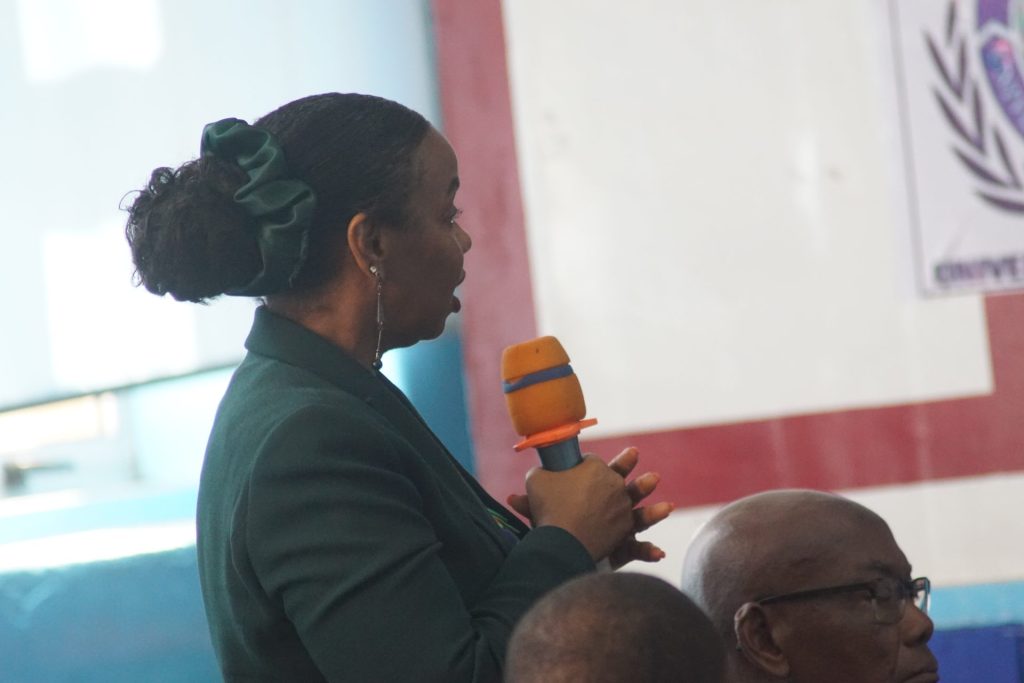
“And we would like to concentrate our efforts on game-changing big projects in infrastructure, continental or regional-wide endeavors,” he said.
Regarding Liberia, Szalai noted that the EU is supporting the construction of roads connected to road networks in neighboring countries, as well as electricity grids and digital networks. In addition, he said, starting last year, the EU began providing budget support to Liberia, and over three years, he estimated the EU will contribute US$63 million to the Liberian treasury, with Liberia deciding how the funds will be used.
Meanwhile, on May 9, 2026, the European Union marked its 76th anniversary – nearly a year older than the University of Liberia, which is also celebrating a year-long 75th anniversary since becoming a chartered institution in 1951, having been established as Liberia College in 1862.
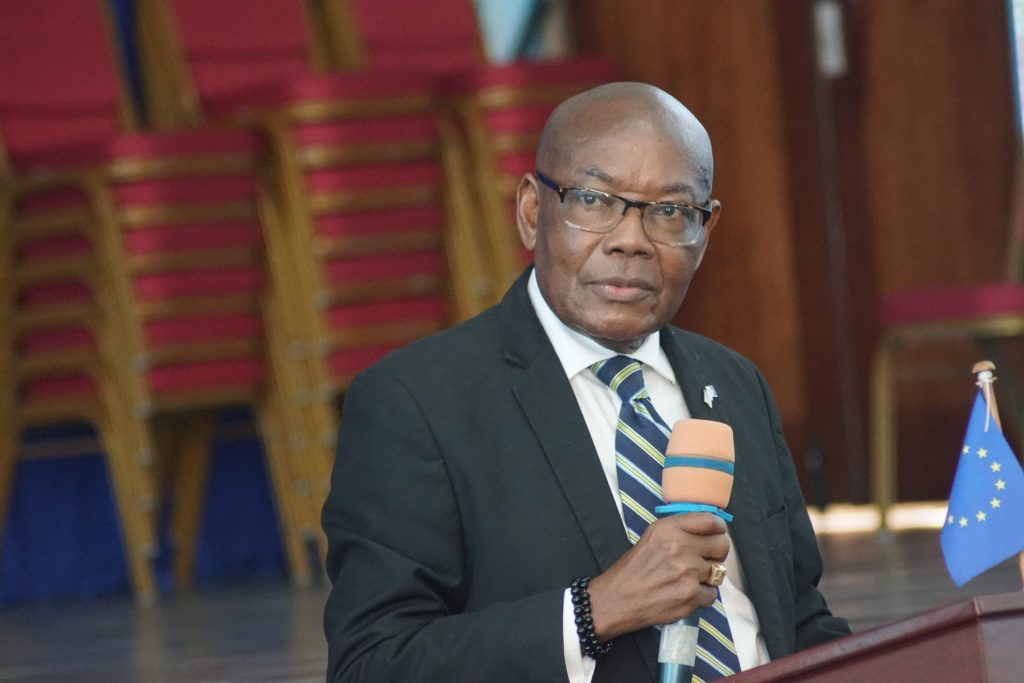
In remarks, University of Liberia Officer-in-Charge and Vice President for Academic Affairs Dr. Agnes Reeves Taylor described the lecture series as an opportunity for Mr. Szalai to speak directly to students, faculty, and administrators about the relationships that exist between the EU and Africa, particularly Liberia. She said she hopes similar engagement will continue, noting that it helps create space for dialogue and stronger relations.
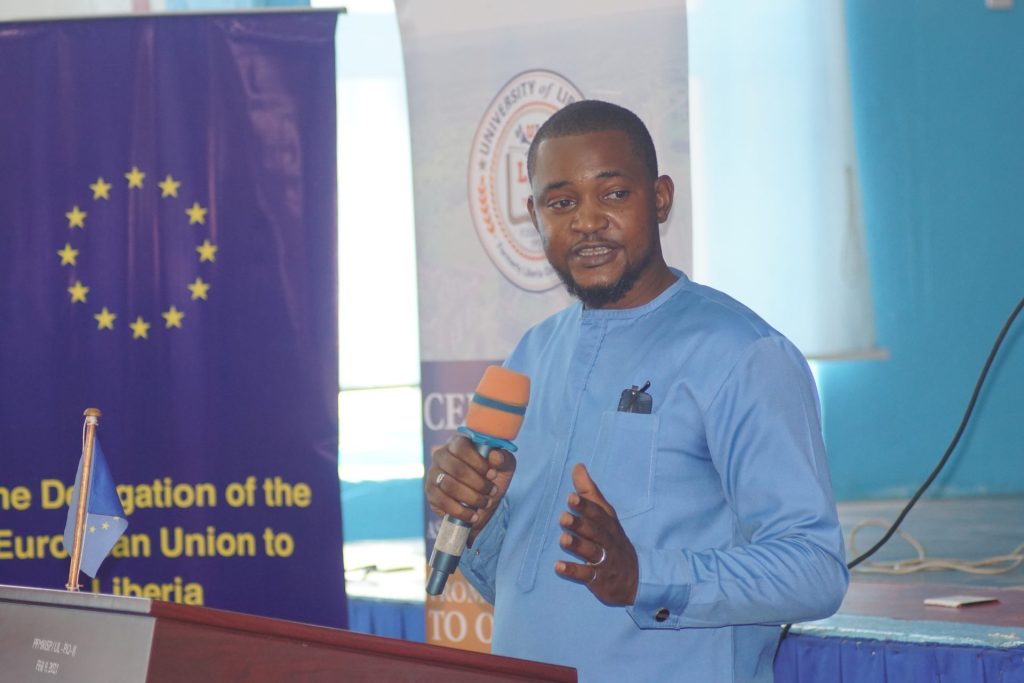
Earlier, University of Liberia Vice President for Graduate and Professional Schools Dr. Jonathan C. Taylor noted that the lecture aligns with the mission of IBB to train the next generation of leaders, diplomats, and policy professionals to navigate an increasingly complex international landscape.
According to him, it came at a moment when the world is experiencing profound shifts –political, economic, and social – changes which underscore the importance of informed dialogue, critical scholarship, and international cooperation.
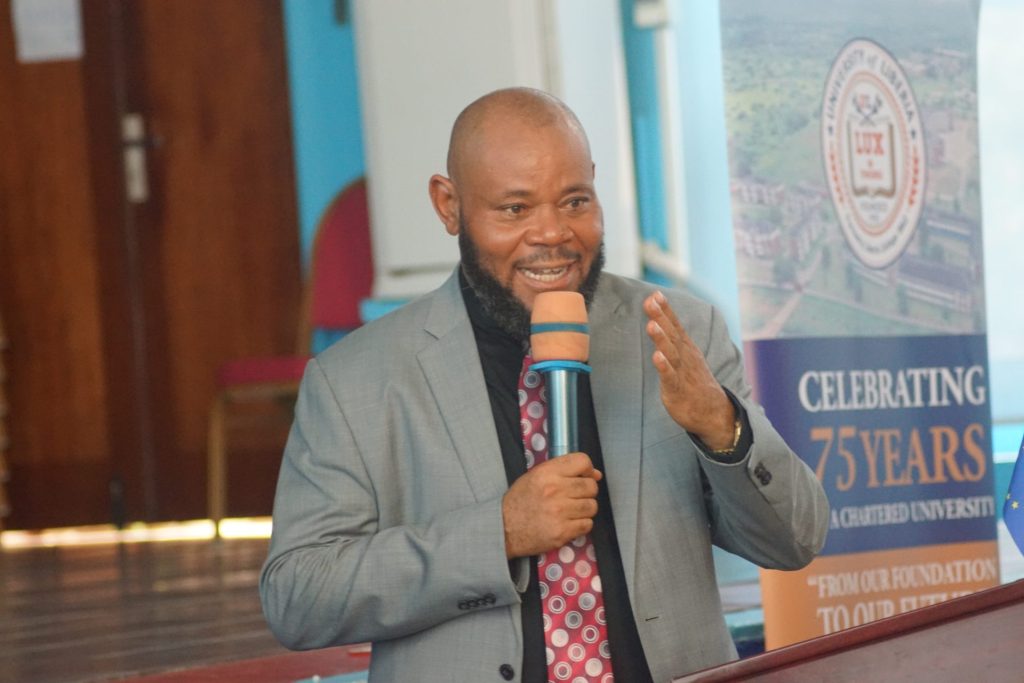
“It is therefore both timely and fitting that we gather here as part of the European Union Week to engage these pressing global issues,” said Dr. Taylor.
Dr. Mamadou L. Bah, director of the Ibrahim Badamasi Babangida Graduate School of International Studies at the University of Liberia, said the IBB lecture series began at the end of 2024, after which several lectures have been organized by the school. He said that by September this year, IBB will launch a Master’s in Development Studies alongside its current Master’s in Public and International Affairs. He added that the school will also launch a Master’s in International Human Rights Policy and hopes to introduce a PhD program in Public and International Affairs.
Finally, he encouraged undergraduate students to take advantage of future opportunities within IBB’s graduate programs.